Ancient Egyptian art

Definition and stakes

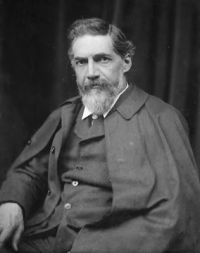
Charles Chipiez,  A History of Art in Ancient Egypt…

“ It was by the smoky glare of torches, or by the flickering flame of little terra-cotta lamps, suspended from the roof by metal threads, that the patient artists of Egypt drew these masterly contours, and elaborated the exquisite harmony of their colour compositions. Egyptian art never reached greater perfection than in these characteristic productions of its genius, and yet no human eye was to enjoy them after that day upon which the final touch was to be given to their beauties, upon which they were to be inclosed in a night which, it was hoped, would be eternal. ”
Source: Gutenberg

Charles Chipiez,  A History of Art in Ancient Egypt…

“ Moreover, these are the constant characteristics of archaic art, and it must not be forgotten that even in Egypt many wooden and limestone figures have been unearthed which surprise us by the freedom of their attitudes and movements. The true originality of the Egyptian style consists in its deliberately epitomizing that upon which the artists of other countries have elaborately dwelt, in its lavishing all its executive powers upon chief masses and leading lines, and in the marvellous judgment with which it seizes their real meaning, their proportions, and the sources of their artistic effect. ”
Source: Gutenberg

Charles Chipiez,  A History of Art in Ancient Egypt…

“ Egyptian art was, then, the faithful and skilful interpretation of the ideas of the people. What the Egyptians wished to say, that they did say with great clearness and a rare happiness of plastic expression. To accuse them, as they have been sometimes accused, of a want of taste, would be to form a very narrow conception of art, to sin against both the method and the spirit of modern criticism. This latter seeks for originality and admires it, and all art which is at once powerful and sincere arouses its interest. ”
Source: Gutenberg

Get perspective with Kwize: daily news enlightened by great literature