Anglican episcopacy

Definition and stakes

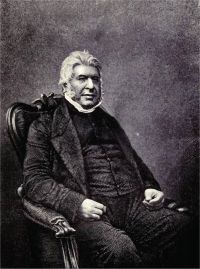
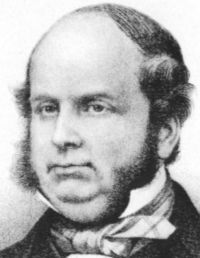
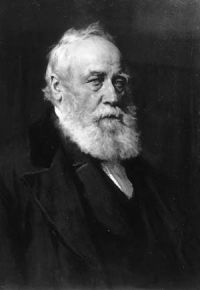
Portrait of Henry Thomas Buckle Henry Thomas Buckle,  History of Civilization in England…

“ Burnet (Own Time, vol. iv. p. 50) says of the clergy in 1689: ‘The king was suspected by them, by reason of the favour showed to dissenters; but chiefly for his abolishing episcopacy in Scotland, and his consenting to the setting up presbytery there.’ On this great change, compare Bogue and Bennett's History of Dissenters, vol. ii. pp. 379–384; Barry's Hist. of the Orkney Islands, p. 257; Neal's Hist. of the Puritans, vol. v. pp. 85, 86: and on the indignation felt by the Anglican clergy at the abolition of episcopacy in Scotland, see a contemporary pamphlet in Somers Tracts, vol. ”
Source: Gutenberg

Various,  The Catholic World, Vol. 03, April to September…

“ The conclusion, which this exhaustive argument claims to have established, is that the church of England never recognized the validity of Presbyterian orders, as such, but, on the contrary, has ever held the doctrine of episcopacy by divine right and apostolical succession; a conclusion diametrically opposite to that of the first writer, whose book has, by this one, in the language of the American Churchman, been "So effectually answered that we believe it will ask no more questions for all time to come." ”
Source: Gutenberg

Walter Alison Phillips,  1911 Encyclopædia Britannica, Volume 9… (1911)

“ The bishops, individually and collectively, are thus the essential ties of Catholic unity; they alone, as the depositories of the apostolic traditions, establish the norm of Catholic orthodoxy in the general councils of the Church. This high theory of episcopacy which, if certain of the Ignatian letters be genuine, has a very early origin, has, of course, fallen upon evil days. The power of the collective episcopate to maintain Catholic unity was disproved long before it was overshadowed by the centralized authority of Rome ”
Source: Wikisource

Get perspective with Kwize: daily news enlightened by great literature