Anitra

Definition and stakes

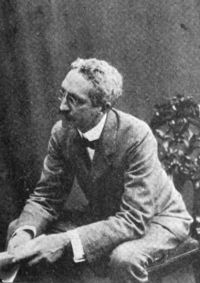
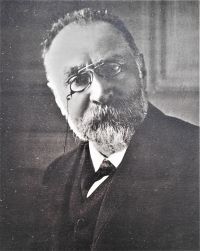
Portrait of W. S. B. Mathews W. S. B. Mathews,  The Masters and Their Music

“ Anitra, in Ibsen's story, was a fascinating minx of the desert, who, when Peer Gynt was masquerading as the prophet, encountered him upon his travels and beguiled from him one gift after another until finally she took from him his rings, spare apparel, and finally his horse, and capered off with them like the winds of the morning, while the pseudo-prophet pursued his sandy and inglorious way on foot. In this music of Grieg we have simply the sparkling lightness of Anitra, the unaccustomed charm which induced her victim to yield so easily to her the things he most valued. ”
Source: Gutenberg

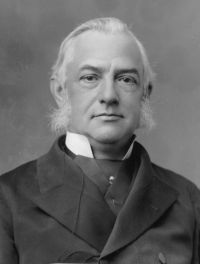
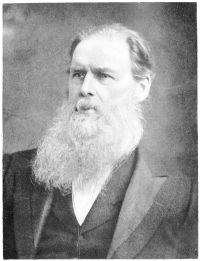
Portrait of Anna Katharine Green Anna Katharine Green,  The Chief Legatee

“ She shrunk, not at the word but at his movement, which undoubtedly was abrupt; but immediately recovered herself and, meeting him half-way, cried out in the unnaturally loud tones of the very deaf:
"They don't bring my sister back. She is drowned, drowned. But you still have Anitra," she exclaimed in child-like triumph. "Anitra will be good to you. Don't forsake the poor girl. She will go where you go and be very obedient and not get angry ever again."
”
Source: Gutenberg

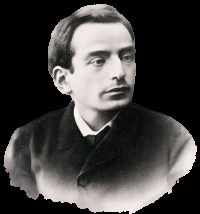
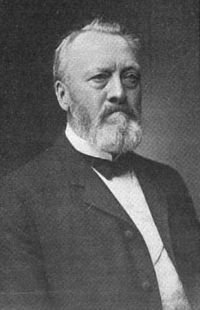
Portrait of Henrik Ibsen Henrik Ibsen,  The Collected Works of Henrik Ibsen… (1907)

“ Anitra! Anitra! true daughter of Eve!
I feel thee magnetic; for I am a man,
And, as a much-esteemed author has phrased it:
“Das Ewig-Weibliche ziehet uns an!” [91] SCENE SEVENTH. A moonlight night. The palm-grove outside Anitra’s tent.
Peer Gynt is sitting beneath a tree, with an Arabian lute in his hands. His beard and hair are clipped; he looks considerably younger.
”
Source: Gutenberg

Get perspective with Kwize: daily news enlightened by great literature