Aristarchus of Samothrace

Definition and stakes

The New International Encyclopædia (1905)

ARISTARCHUS of Samothrace (B.C. 216–144) . A Greek scholar. He was the pupil of Aristophanes of Byzantium, became tutor to the son of Ptolemy Philometor, and succeeded his master as head of the Alexandrian library. He died in Cyprus at the age of 72. Aristarchus represents the highest attainments of philological criticism in antiquity, and his influence dominated all later workers.
Source: Wikisource

Gerald Cumberland Tales of a Cruel Country

What is her name?”
“Her name is Drusilla.”
“And she loves thee?” asked Aristarchus, encouragingly.
“I think she does. I have prayed that she may.”
They walked on in silence for a little while, Paul’s eyes bent on the ground.
“What dost thou say of it, dear Father?” asked Lycastus, timidly.
“If thou hast been praying to Jesus Christ and He has helped thee, what can I say? Those who must marry must marry. But I shall lose thee as I have lost Aristarchus.”
“Oh, Master: thou knowest well thou hast not lost me!” exclaimed Aristarchus, reproachfully. “We love and serve the same God.
Source: Gutenberg

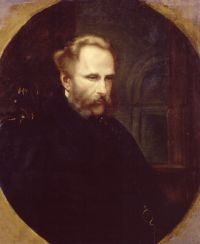
Portrait of Élisée Reclus Élisée Reclus The Earth and its inhabitants, Volume 1…

Samothrace, though smaller than Thasos, is much more elevated. Its mountains are composed of granite, schists, limestones, and trachyte, and form a sort of pendant to Mount Athos, on the other side of the Ægean Sea. If we approach Samothrace from the north or the south, it presents the appearance of a huge coffin floating upon the waters; from the east or west its profile resembles a pyramid rising from the waves. From its summit Neptune watched the fight of the Greeks before Troy.
Source: Gutenberg

Get perspective with Kwize: daily news enlightened by great literature