The Book of Numbers, the fourth book of the Hebrew Bible, recounts the Israelites' journey from Mount Sinai to the borders of Canaan, highlighting themes of faith, divine trials, and collective identity. Its accounts of defiance, population counts, and ceremonies illustrate the conflict between divine assurances and human limitations.
Philosophers such as John Locke examined numerical precision as essential to human comprehension, while Proclus regarded number as a metaphysical foundation. Stephen Alexander Hunter connected biblical imagery to numerical symbolism, demonstrating the text’s lasting impact. Collectively, these viewpoints show how Numbers merges religious storytelling with the broader human endeavor to grasp order and significance through numerical concepts.
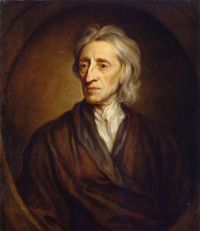 John Locke,
An Essay Concerning Human Understanding…
John Locke,
An Essay Concerning Human Understanding…