Celtiberians

Definition and stakes

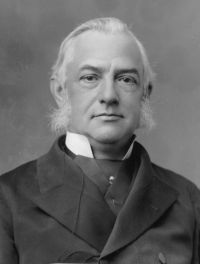
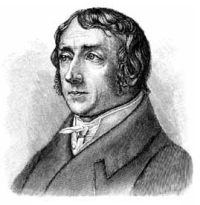
Portrait of Barthold Georg Niebuhr Barthold Georg Niebuhr,  Niebuhr's lectures on Roman history… (1875)

“ The Celtiberians, who had spread from the sources of the Ebro to the threefold border of the Mancha, Andalusia, and Valencia, and chiefly dwelt in New Castile and Western Aragon, in the provinces of Soria and Cuença, had never been subject to the Carthaginians, but had furnished them with mercenaries, as they also did the Romans: they now got involved in war with the Romans, who endeavoured to reduce them. They were the bravest people in Spain. ”
Source: Gutenberg

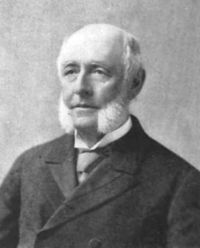
William Ridgeway, Edmund C. Quiggin and William J. Gruffydd,  1911 Encyclopædia Britannica, Volume 5… (1911)

“ The northern race has ever kept pressing down on the broad-skulled, brown-complexioned men of the Alps, and intermixing with them, and at times has swept right over the great mountain chain into the tempting regions of the south, producing such races as the Celto-Ligyes, Celtiberians, Celtillyrians, Celto-Thracians and Celto-Scythians. ”
Source: Wikisource

Livy,  The History of Rome, Books 27 to 36

“ The Celtiberians, summoned forth by the enemy for hire, as above mentioned, rendered the war in Turditania more difficult to the praetor, Publius Manlius. The consul, therefore, in compliance with a letter from the praetor, led his legions thither. The Celtiberians and Turditanians were lying in separate camps at the approach of the Romans, who began immediately to skirmish with the Turditanians, making attacks on their advanced guards; and they constantly came off victorious from every engagement, however rashly undertaken. ”
Source: Gutenberg

Get perspective with Kwize: daily news enlightened by great literature