Celtic people

Definition and stakes

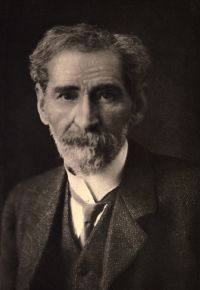
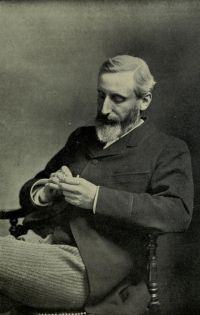
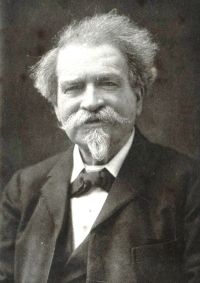
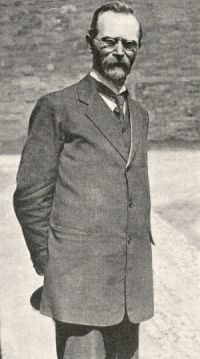
Portrait of Eoin Mac Neill Eoin Mac Neill,  Phases of Irish History

“ By what criterion do we recognise any ancient population to have been Celts? The answer is undoubted—every ancient people that is known to have spoken any Celtic language is said to be a Celtic people. The term Celtic is indicative of language, not of race. We give the name Celts to the Irish and the Britons because we know that the ancient language of each people is a Celtic language.
A certain amount of enthusiasm, culminating in what is called Pan-Celticism, has gathered around the recognition of this fact that the Irish, the Gaels of Scotland, the Welsh and the Bretons are Celtic peoples.
”
Source: Gutenberg

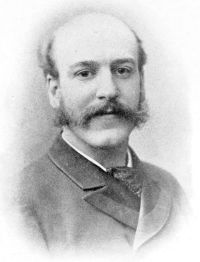
American-Irish Historical Society,  The journal of the American-Irish Historical Society…

“ What people have done more than the warm-hearted and susceptible Celts, the hereditary fervor of their patriotism, the sacrifices which they have made and which—unchecked by defeat and disappointment, and hope deferred—they are daily making for their country and every country of their adoption; their Celtic veneration for ancient usages, and more than Celtic tenacity of ancient recollections ”
Source: Gutenberg

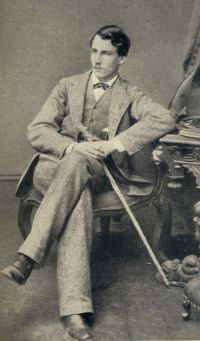
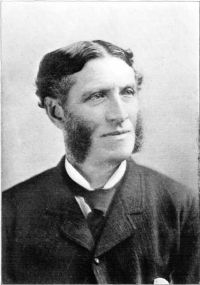
Portrait of Matthew Arnold Matthew Arnold,  Celtic Literature

“ Few of us have any notion what a mass of Celtic literature is really yet extant and accessible. One constantly finds even very accomplished people, who fancy that the remains of Welsh and Irish literature are as inconsiderable by their volume, as, in their opinion, they are by their intrinsic merit; that these remains consist of a few prose stories, in great part borrowed from the literature of nations more civilised than the Welsh or Irish nation, and of some unintelligible poetry. ”
Source: Gutenberg

Get perspective with Kwize: daily news enlightened by great literature