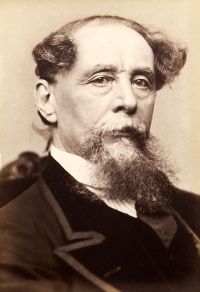
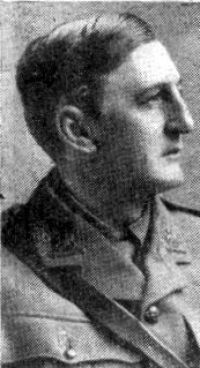
Charles Knight

Definition and stakes

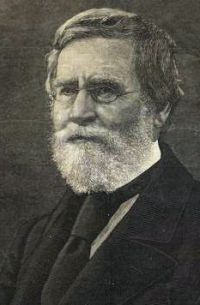
Portrait of Mason Jackson Mason Jackson The Pictorial Press: Its Origin and Progress

It was the most successful experiment that England had then seen of the art of illustration in combination with the steam press, and was the best attempt that had been made in a cheap form to elevate the public taste.
Mr. Charles Knight, who thus, in the Penny Magazine, led the way in combining literature with art in a popular form, was a staunch advocate of education, and he never ceased in his endeavours to improve the condition of the 277
278 masses. He said, ‘the poor man must be made a thinking man—a man capable of intellectual pleasures
Source: Gutenberg

The historians' history of the world in twenty-five volumes…

The French chivalry of later times glorified Charles as the first knight, German citizens venerated him as the paternal friend of the people, and the most just of judges. The Catholic church placed him among its saints; the poetry of all nations in the succeeding ages has repeatedly received strength and vigour from his mighty appearance. Never perhaps has a richer life proceeded from the activity of a mortal man.
Source: Gutenberg

Sidney Lee Dictionary of National Biography… (1892)

On 17 Feb. 1659–60 he took part in the conference between the secluded and sitting members, and as soon as the former members took their places he was elected (23 Feb.) member of the council of state which arranged the recall of the king. At the coronation of Charles II (April 1661) he was created a knight of the Bath. He died in London on 22 June 1661, and was buried on 6 July at Fawsley. He married in 1647 a second wife, Ann, daughter of Sir William Courten, and widow of Essex Devereux, son and heir of Walter Devereux, fifth viscount Hereford. His widow was buried at Fawsley on 5 Feb.
Source: Wikisource

Get perspective with Kwize: daily news enlightened by great literature