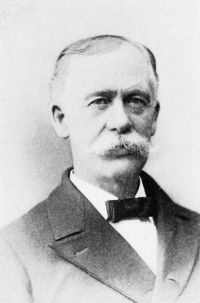
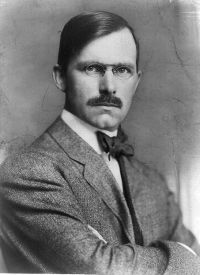
The Cornplanter, a figure emblematic of agricultural stewardship and cultural resilience, symbolizes the convergence of indigenous knowledge and early American agrarian practices. Authors such as James Ross Snowden emphasize its historical role in promoting industry and temperance among Indigenous and settler communities, while Winthrop Packard and Julia Ellen Rogers highlight its naturalistic importance, connecting corn cultivation to seasonal patterns and botanical complexity.
L. H. Bailey’s botanical examination and Henry Ward Beecher’s pastoral portrayals further emphasize the crop’s ecological and symbolic richness. Together, these viewpoints reveal the Cornplanter as both a practical necessity and a cultural landmark, bridging human ingenuity with the enduring rhythms of nature.
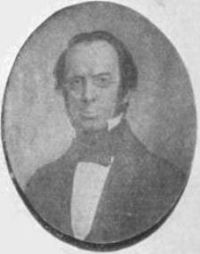 James Ross Snowden,
The Cornplanter Memorial
James Ross Snowden,
The Cornplanter Memorial