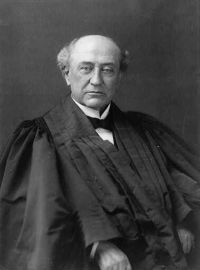
The Court of Appeal in Ireland, established in 2014, functions as an intermediate appellate court between the High Court and the Supreme Court, with the goal of lessening the latter’s workload by managing the majority of appeals. Its formation, based on constitutional revisions and legislative changes, demonstrates efforts to enhance the efficiency of judicial procedures. Legal experts and legislators, including Oliver Wendell Holmes Jr.
and Frank Murphy, have long discussed the function of appellate courts in maintaining a balance between judicial flexibility and procedural strictness, as reflected in their analyses of appellate supervision and the entitlements of parties to contest rulings. At the same time, legal documents such as the UK’s Criminal Appeal Act 1968 illustrate the procedural guidelines that regulate appeals, emphasizing the widespread intricacy of appellate adjudication. Although the Court of Appeal was designed to ease case backlogs, its continued delays highlight the ongoing conflict between system efficiency and the natural complexities of judicial review.