Court of Exchequer

Definition and stakes

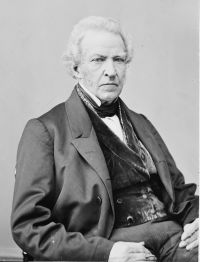
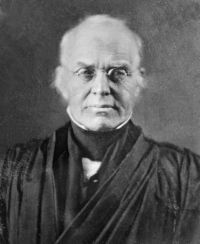
Portrait of John Cassell John Cassell,  Cassell's Illustrated History of England (1865)

“ About the same time the Court of King's Bench was also separated from the Exchequer; and although those who were summoned to attend the court were commanded to appear "coram ipso rege," before the king himself, and notwithstanding this was strengthened by a special statute passed in 1300, that this court should always follow the king, yet the obvious necessities of its business soon fixed it, with some temporary exceptions, at Westminster. The separate establishment of these two courts very much reduced the business and impaired the dignity of the Court of Exchequer. ”
Source: Wikisource

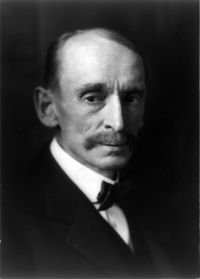
Charles River Bridge v. Warren Bridge…

“ In such cases, the court of exchequer acts on an information by the attorney-general, or at the suit of the king's patentee, or fee-farm tenant; but this is a proceeding peculiar to that court. A court of equity never grants an injunction against a public nuisance, without a previous trial by jury, as it would, in effect, be tantamount to the conviction of a public offence. Harg. ”
Source: Wikisource

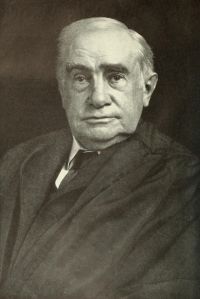
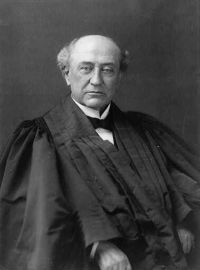
Portrait of John Catron John Catron,  Aspden v. Nixon — Opinion of the Court

“ We here see, that, although equity may follow the law, and deal with a naked dismissal of a bill, 'for mere want of prosecution,' as a nonsuit, and hence no bar, yet that a dismissal of the other kind, such as, in the present case, the dismissal on hearing, and for want of proof, is a decree, and conclusive; and so the Court of Exchequer pronounced this very decree in chancery to be, and accorded to it the entire weight of res judicata ”
Source: Wikisource

Get perspective with Kwize: daily news enlightened by great literature