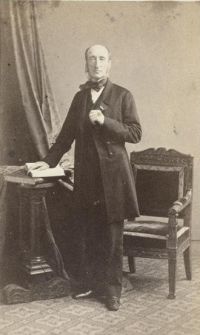
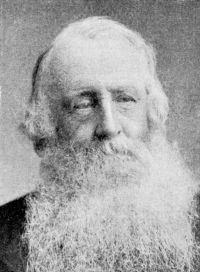
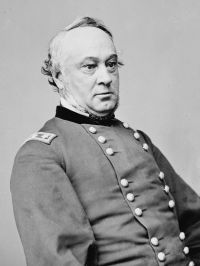
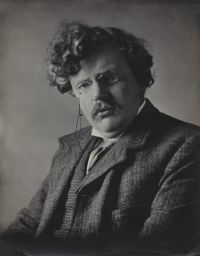
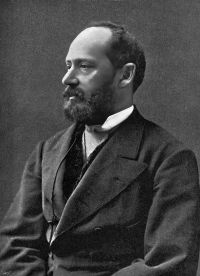
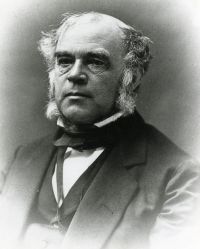
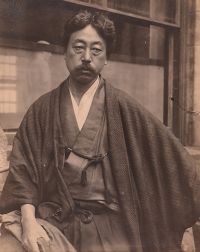
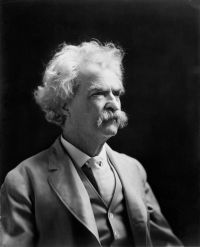
Eastern Europe, a subregion of Europe characterized by unclear geopolitical and cultural borders, includes a variety of territories stretching from the Ural Mountains to the Carpathians, with its definition differing according to historical, religious, and socio-economic contexts. Historically influenced by Slavic traditions and Eastern Christianity, it became a distinct area during the Cold War, frequently linked with the Soviet-aligned Eastern Bloc. Scholars such as Stepan Rudnytskyi stressed its geographical coherence, pointing out the absence of clear boundaries between its regions, while Lajos Kossuth contrasted its perceived political inertia with Western progress.
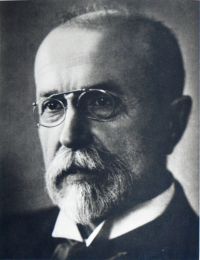
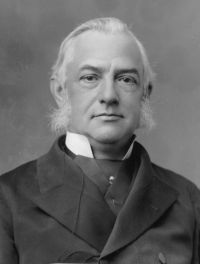
Tomáš Garrigue Masaryk emphasized its patchwork of nations, ranging from Russia’s prominence to smaller states, and Michel Chevalier highlighted the East’s contributions to Western civilization through commerce and cultural interaction. These viewpoints together illustrate Eastern Europe as a region shaped by its historical position at the crossroads of Europe and Asia, its multifaceted identities, and its ongoing function as a link between contrasting worlds.
 Lajos Kossuth,
Select Speeches of Kossuth
Lajos Kossuth,
Select Speeches of Kossuth