Eglantine, a term with roots in both botanical and literary traditions, refers to the wild rose (Rosa canina) and appears as a recurring character or symbol in 19th- and early 20th-century literature. Authors such as William Makepeace Thackeray, Walter Scott, and Dion Clayton Calthrop examined its dual nature—whether as a representation of moral integrity, a whimsical fairy-tale figure, or a symbol of fragile beauty.
In Thackeray’s Men’s Wives, Eglantine signifies honor and contrasts with a tailor’s modesty, while excerpts from Punch magazine portray her involved in imaginative exchanges with goblins. Meanwhile, poems and fairy tales, such as those in The Orange Fairy Book, present her as a nurturing, transformative force. These diverse depictions highlight Eglantine as a multifaceted symbol, connecting the natural and narrative worlds to reflect human virtues and frailties.
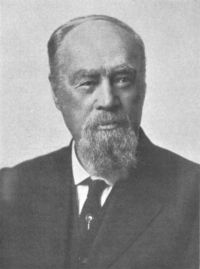
 William Makepeace Thackeray,
Men's Wives
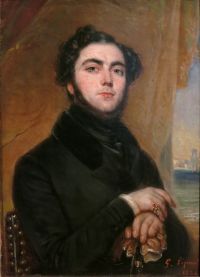
William Makepeace Thackeray,
Men's Wives