Egyptology

Definition and stakes

A. S. Rappoport,  History of Egypt From 330 B.C. To the Present Time…

“ Through this magnificent production the Western world received its first initiation into the mysteries of the wonderful civilisation which had flourished so many centuries ago, on the banks of the Nile. Egypt has continued to yield an ever-increasing harvest of antiquities, which, owing to the dry climate and the sand in which they have been buried, are many of them in a marvellous state of preservation. From the correlation of these discoveries the new science of Egyptology has sprung, which has many different branches, relating either to hieroglyphics, chronology, or archaeology proper. ”
Source: Gutenberg

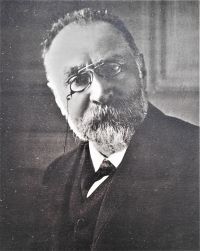
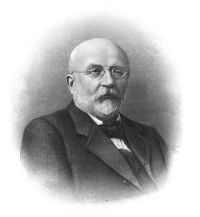
Portrait of Gaston Maspero Gaston Maspero,  The Great Events by Famous Historians… (1905)

“ Before Menes Egypt was divided into independent kingdoms. It has always been a country of mysteries, with the mighty Nile, and its inundations, so little understood by the ancients; its trackless desert; its camels and caravans; its tombs and temples; its obelisks and pyramids, its groups of gods: Ra, Osiris, Isis, Apis, Horus, Hathor—the very names breathe suggestions of mystery, cruelty, pomp, and power. In the sciences and in the industrial arts the ancient Egyptians were highly cultivated. ”
Source: Wikisource

Get perspective with Kwize: daily news enlightened by great literature