Hieroglyphs

Definition and stakes

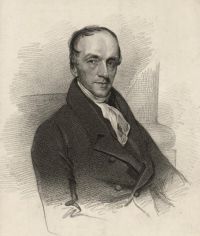
Berwick-upon-Tweed Vicar of St. Mary's James King,  Cleopatra's Needle

“ Symbolical, tropical, or ideographic hieroglyphs, in which case the hieroglyph was not designed to stand for the object represented, but for some quality or attribute suggested by the object. Thus, heaven and a star meant night; a leg in a trap, deceit; incense, adoration; a bee, Lower Egypt; the heart, love; an eye with a tear, grief; a beetle, immortality; a crook, protection. Such hieroglyphs are called ideographs, and [Pg 54] are perhaps the most difficult to interpret, inasmuch as they stand for abstract ideas. ”
Source: Gutenberg

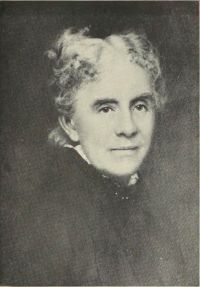
Portrait of Lafcadio Hearn Lafcadio Hearn,  Fantastics and other Fancies (1914)

“ Our brains, as a clever writer has expressed it, are like the rocks of the Sinaitic valley, all covered over with inscriptions written there by the long caravans of Thought. Each impression received upon the brain through the medium of the senses leaves there a hieroglyphic inscription, which, although invisible under the microscope, is nevertheless material and real. Why should not these hieroglyphs of the parent brain reappear in the brain of the child?—fainter and less decipherable to the eyes of the memory, yet not so faint as to be wholly lost. ”
Source: Wikisource

Berwick-upon-Tweed Vicar of St. Mary's James King,  Cleopatra's Needle

“ It was called men, and sometimes the chessboard is preceded by an owl, the phonetic sign of m, and followed by a zigzag line, the phonetic sign of n. Such complementary hieroglyphs [Pg 58] are intended primarily to show with greater precision the pronunciation of men, and they are known by the name of complements.
Phonetic hieroglyphs are often followed by a representation or ideograph of the object referred to. Such explanatory representations and ideographs are called determinatives, because they help to determine the precise value of the preceding hieroglyph.
”
Source: Gutenberg

Get perspective with Kwize: daily news enlightened by great literature