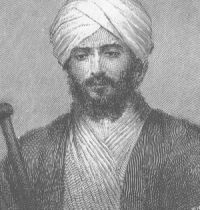
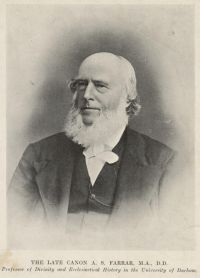
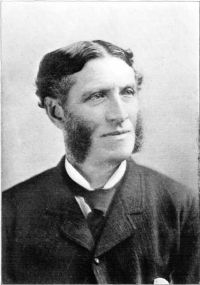
Elohim, a plural form of El found in ancient Hebrew texts, refers to a transcendent, omnipotent deity central to biblical cosmology and theology. This term appears prominently in Genesis, where it emphasizes divine creativity and power, as seen in Nachman of Breslov’s admiration for Elohim’s miracles and John Thomas’s analysis of Elohim’s role in shaping Adam’s solitary state. Jewish mystics such as Rabbi Shimon bar Yochai associate Elohim with supreme wisdom and the Shechinah, while Judah Halevi observes its historical significance in Egypt.
Theological discussions, including those by B. H. Roberts and Richard Watson, underscore the importance of its plural form in expressing divine grandeur. Through these various viewpoints, Elohim emerges as a complex symbol of creation, sovereignty, and the dynamic relationship between singular and plural expressions of the divine, connecting Jewish, Christian, and mystical traditions.
 Nachman of Breslov,
Tikkun Haklali (The General Remedy…
Nachman of Breslov,
Tikkun Haklali (The General Remedy…