Every Man Out of His Humour

Definition and stakes

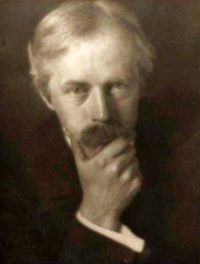
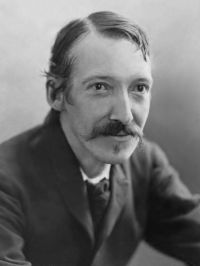
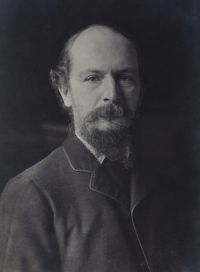
Portrait of Algernon Charles Swinburne Algernon Charles Swinburne,  A Study of Ben Jonson — Comedies… (1889)

“ Every Man out of his Humour.The fervour and intensity of the verse which expresses his loftier mood of intolerant indignation, the studious and implacable versatility of scorn which animates the expression of his disgust at the viler or crueller examples of social villainy then open to his contemptuous or furious observation, though they certainly cannot suffice to make a play, suffice to make a living and imperishable work of the dramatic satire which passes so rapidly from one phase to another of folly, fraud, or vice. ”
Source: Wikisource

Herbert John Clifford Grierson,  The First Half of the Seventeenth Century (1906)

“ The fools themselves evoke nothing stronger than laughter and contempt. But apparently the hostility awakened by the new departure, and by the combative tone of the Prologue, irritated the poet's own scornful humour, with the result of intensifying his arrogance and hardening his style. Every Man out of his Humour (1599) was hurled at the head of its audience furnished with an induction and running comment, to teach them the proper end of comedy—what to admire, and why. ”
Source: Wikisource

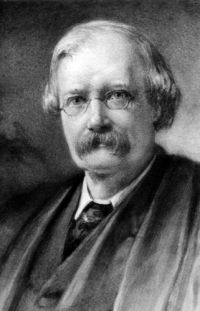
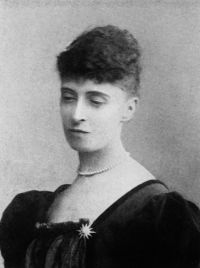
Portrait of Agnes Repplier Agnes Repplier,  Points of friction (1920)

“ It is also true that laughter quiets our uneasy scruples and disposes us to simple savagery. Whatever we laugh at, we condone, and the echo of man’s malicious merriment rings pitilessly through the centuries. Humour which has no scorn, wit which has no sting, jests which have no victim, these are not the pleasantries which have provoked mirth, or fed the comic sense of a conventionalized rather than a civilized world. ”
Source: Gutenberg

Get perspective with Kwize: daily news enlightened by great literature