Every Man in His Humour

Definition and stakes

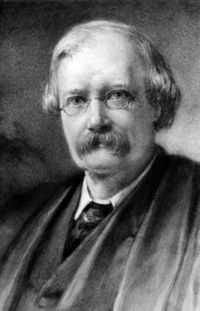
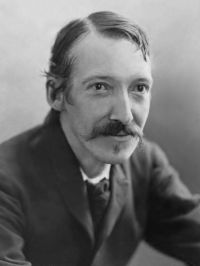
Portrait of Adolphus William Ward Adolphus William Ward,  Encyclopædia Britannica, Ninth Edition (1881)

“ There may have been no very original or very profound discovery in the idea which he illustrated in Every Man in his Humour, and, as it were, technically elaborated in Every Man out of his Humour,—that in many men one quality is observable which so possesses them as to draw the whole of their individualities one way, and that this phenomenon "may be truly said to be a humour." ”
Source: Wikisource

A. G. K. L'Estrange,  History of English Humour, Vol…

“ When the cause of our laughter—be it mind, matter, or imaginary circumstance—is merely regarded as something incongruous and amusing, we name it the ludicrous, and a man is called ludicrous as faulty or contemptible. But when the cause of it is viewed as something more than this, as coming from some conscious power or tendency within us—a valuable gift and an element in our mental constitution—we call it humour, a term applied only to human beings and their productions; and a man is called humorous as worthy of commendation. ”
Source: Gutenberg

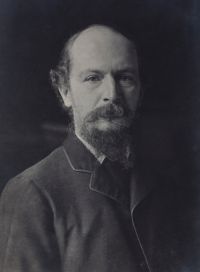
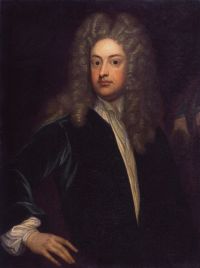
Portrait of James Sully James Sully,  An Essay on Laughter: Its Forms…

“ HUMOUR. In the preceding chapter we have seen how the advance of civilisation has tended to still the louder choral voice of laughter. Yet man’s best friend is not of the sort to take an affront too seriously. Driven out from the crowd, he has known how to disguise himself and to steal back into the haunts of men, touching here and there a human spirit and moving it to a quieter and perfectly safe enjoyment of things laughable. This new endowment, this last inspiration of the mortal by the god, is what we mean by Humour. ”
Source: Gutenberg

Get perspective with Kwize: daily news enlightened by great literature