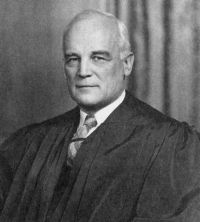
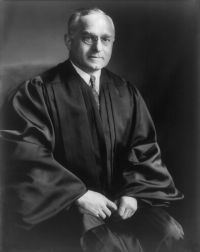
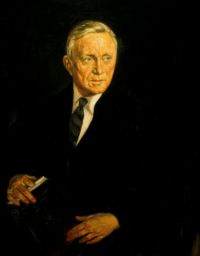
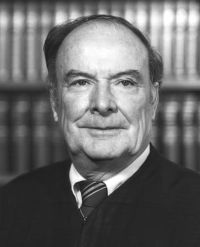
The Federal Power Commission (FPC), established in 1930 and dissolved in 1977, oversaw hydroelectric projects, interstate electricity, and natural gas. Created by the 1920 Federal Water Power Act, it was succeeded by the Federal Energy Regulatory Commission (FERC). Commissioners such as Leland Olds contributed to the expansion of rural electrification, while James G.
Watt conducted prayer meetings. Legal figures like Harold Hitz Burton and Felix Frankfurter highlighted the FPC’s function in mediating federal and state interests through technical knowledge. The FPC’s legacy resides in its foundational influence on energy regulation prior to its transformation into FERC.
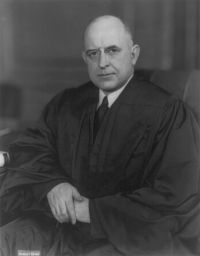 Stanley Forman Reed,
Jersey Central Power Light Company v…
Stanley Forman Reed,
Jersey Central Power Light Company v…