Gallic Wars

Definition and stakes

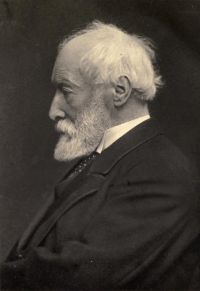
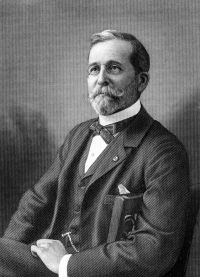
Mary Platt Parmele,  A Short History of France

“ Was any human event ever fraught with such consequences to the human race as the conquest of Gaul by Julius Caesar?
The Gallic wars had for centuries drained the treasure and taxed the resources of Rome. Caesar conceived the audacious idea of stopping them at their source—in fact, of making Gaul a Roman province.
It was a marvellous exhibition, not simply of force, but of force wielded by supreme intelligence and craft. He had lived many years among this people and knew their sources of weakness, their internal jealousies and rivalries, their incohesiveness.
”
Source: Gutenberg

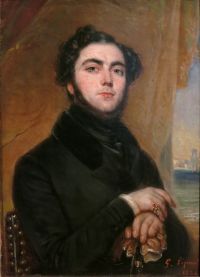
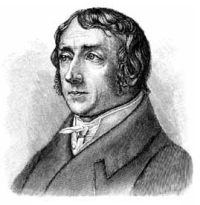
Portrait of François Guizot François Guizot,  A Popular History of France from the Earliest Times…

“ And the movement was not confined within Gaul; the Gauls of every race went, sometimes in very numerous hordes, to seek far away plunder and a settlement. Spain, Italy, Germany, Greece, Asia Minor, and Africa have been in turn the theatre of those Gallic expeditions which entailed long wars, grand displacements of peoples, and sometimes the formation of new nations. Let us make a slight acquaintance with this outer history of the Gauls; for it is well worth while to follow them a space upon their distant wanderings. ”
Source: Gutenberg

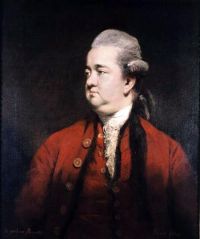
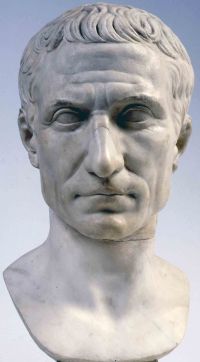
Portrait of Anthony Trollope Anthony Trollope,  The Commentaries of Cæsar — Introduction (1870)

“ We cannot realise and bring home to ourselves the Punic Wars or the Social War, the Scipios and the Gracchi, or even the contest for power between Marius and Sulla, as we do the Gallic Wars and the invasion of Britain, by which the civilisation of Rome was first carried westwards, or the great civil wars,—the "Bellum Civile,"—by which was commenced a line of emperors continued almost down to our own days, and to which in some degree may he traced the origin and formation of almost every existing European nation. ”
Source: Wikisource

Get perspective with Kwize: daily news enlightened by great literature