Greek colonization

Definition and stakes

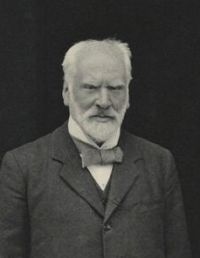
Portrait of Edward A. Freeman Edward A. Freeman,  The Chief Periods of European History

“ Greek colonization and Macedonian conquest had, each in its turn, a share in the work, and both were in many lands not a little helped by real, if unconscious, kindred on the part of those whom colonists and conquerors found already in possession. Every colony, every conquest, not only won new lands for the Greek settlers themselves, but increased the Greek nation in its wider sense by multitudes who became Greek by adoption, and in whose case the work of adoption was made more easy by the existence of earlier ties of which neither side had thought. ”
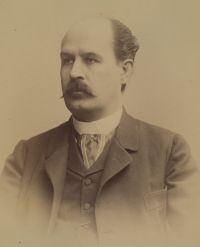
Source: Gutenberg

Portrait of Edward A. Freeman Edward A. Freeman,  The Chief Periods of European History

“ The modern Greek nation, meaning thereby something more than the inhabitants either of the existing Greek kingdom or of the continuous Hellas of old times, is the fruit of old Greek colonization, followed up by Macedonian conquest. I said years ago that Alexander was the founder of the modern Greek nation, and I say so still. This saying may seem to shut out the work of earlier Greek colonization, above all in those lands of Sicily and southern Italy which we have spoken of as having been admitted by adoption within the immediate Greek world. ”
Source: Gutenberg

Karl Dieterich,  Hellenism in Asia Minor

“ In the west, on the contrary, as we have already seen, Greek colonization has, since late antiquity, extended up into the interior, and the consequences of this have been felt even up to the present time, or, at any rate, have been made anew noticeable, owing to the fact that the Greeks of the west coast have for several decades been pressing farther and more vigorously into the interior, and have settled there more definitely. ”
Source: Gutenberg

Get perspective with Kwize: daily news enlightened by great literature