Greek hero

Definition and stakes

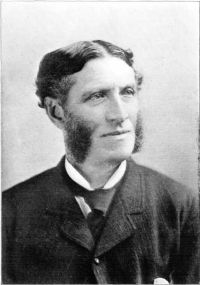
Portrait of Lewis Campbell Lewis Campbell,  Sophocles (1879)

“ Greek tragedy not only took shape and growth directly from the spirit of the time, but dealt with subjects of the most vital interest. For to the Athenians of the time of Cleisthenes or of Miltiades, and later still, the local or neighbouring hero was a living power, present in their midst, whose destinies were inseparably bound up with the national existence. Hence the imagination of the ancient spectator met the poet half-way and conspired with him in the production of an atmosphere of illusion. ”
Source: Wikisource

1911 Encyclopædia Britannica, Volume 13… (1911)

“ Ancient Greek Heroes. In ancient Greece, the heroes were the object of a special cult, and as such were intimately connected with its religious life. Various theories have been put forward as to the nature of these heroes. According to some authorities, they were idealized historical personages; according to others, symbolical representations of the forces of nature. The view most commonly held is that they were degraded or “depotentiated” gods, occupying a position intermediate between gods and men. ”
Source: Wikisource

Adam Ferguson,  An Essay on the History of Civil Society…

“ The Greek fable accordingly conveying a character of its authors, throws light on some ages of which no other record remains. The superiority of this people is indeed in no circumstance more evident than in the strain of their fictions, and in the story of those fabulous heroes, poets, and sages, whose tales, being invented or embellished by an imagination already filled with the subject for which the hero was celebrated, served to inflame that ardent enthusiasm, with which so many different republics afterwards proceeded in the pursuit of every national object. ”
Source: Gutenberg

Get perspective with Kwize: daily news enlightened by great literature