Greek sculpture

Definition and stakes

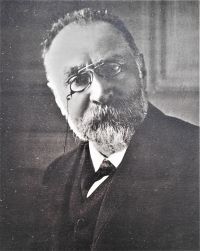
Portrait of Walter Pater Walter Pater,  Greek Studies: a Series of Essays

“ The ideal aim of Greek sculpture, as of all other art, is to deal, indeed, with the deepest elements of man's nature and destiny, to command and express these, but to deal with them in a manner, and with a kind of expression, as clear and graceful and simple, if it may be, as that of the Japanese flower-painter. And what the student of Greek sculpture has to cultivate generally in himself is the capacity for appreciating the expression of thought in outward form, the constant habit of associating sense with soul, of tracing what we call expression to its sources. ”
Source: Gutenberg

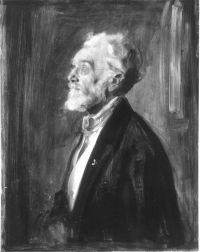
Sir George Gilbert Scott,  Lectures on the rise and development of medieval architecture…

“ In sculpture I hold that we ought to be able to follow what is good and noble in the form of that art which belonged to the finest period of our architecture, and yet to unite it with the most perfect art which can be produced. Greek art unites perfectly with Gothic, but both demand the spirit and soul of the true artist, aided by the use of what he sees in actual life. ”
Source: Gutenberg

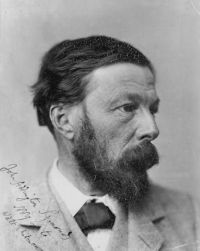
Ernest Henry Short,  A History of Sculpture

“ The sculptor or the painter, with the wings of the wren, must be content to flutter nearer to the flowers.
In this truth lies the key which unlocks the mystery of the sculpture of Hellenistic Greece, one of the most elusive problems in the history of art. Before any marble of this age we feel we are face to face with the work of lesser spirits—men who cannot boast of the eagle wings of their brothers of the fourth and fifth centuries. Few can recall the name of a single Greek sculptor of the later age. There is certainly no Scopas, no Praxiteles, no Lysippus.
”
Source: Gutenberg

Get perspective with Kwize: daily news enlightened by great literature