Pygmalion

Definition and stakes

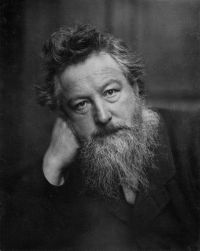
Portrait of William Morris William Morris,  Pygmalion and the Image

“ Pygmalion, a tall, dark-haired young man, in a long garment falling in straight folds to his feet, stands brooding on life's emptiness in the vestibule of his house. A sculptured group of the Three Graces denotes his profession and at the same time typifies the cold beauty of artifice, the beauty of the mind, while two girls, seen through the open door, speeding along the street in the artless embrace of innocent maidenhood, represent the beauty of the body and the love that waits his winning ”
Source: Gutenberg

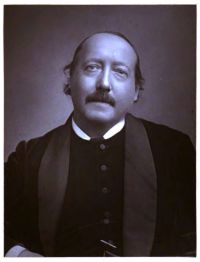
Portrait of Thomas Bulfinch Thomas Bulfinch,  The Age of Fable

“ CHAPTER VIII PYGMALION—DRYOPE-VENUS AND ADONIS—APOLLO AND HYACINTHUS Pygmalion saw so much to blame in women that he came at last to abhor the sex, and resolved to live unmarried. He was a sculptor, and had made with wonderful skill a statue of ivory, so beautiful that no living woman came anywhere near it. It was indeed the perfect semblance of a maiden that seemed to be alive, and only prevented from moving by modesty. His art was so perfect that it concealed itself and its product looked like the workmanship of nature. ”
Source: Gutenberg

Portrait of William Morris William Morris,  Pygmalion and the Image

“ Towards her, leaning both arms on one uplifted from the goddess's side, an exquisite piece of composition, the awakening image stoops from the carved capital, blossom-strewn by the adoring Pygmalion, her eyes raised in awe up to the goddess, who with fixed gaze and pointed finger inspires her with the Promethean fire of life. ”
Source: Gutenberg

Get perspective with Kwize: daily news enlightened by great literature