Helix

Definition and stakes

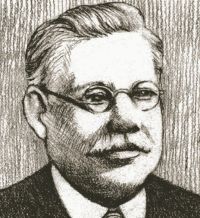
Portrait of G. B. Sowerby G. B. Sowerby,  A conchological manual

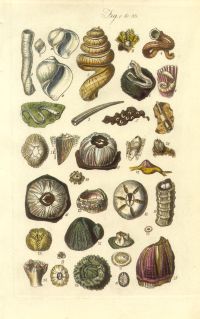
“ No operculum; a thin epidermis.—Obs. The land shells composing this genus are found in all parts of the world; the common snail, H. Aspersa, is well known as a destructive animal in our gardens. The genera Helix, Achatina, Bulinus, Clausilia, Anostoma, &c., have been united under one generic name by De Ferussac, and again divided under the following sub-generic names, each of which we shall illustrate by a figure. Genus Helix: Sub-genus 1, Helicophanta, consisting of species with large apertures, like Vitrina; Helix brevipes. S. gen. 2, Cochlohydra, Succinea Amphibia, Drap. ”
Source: Gutenberg

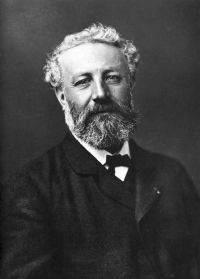
Portrait of Jules Verne Jules Verne,  Robur the Conqueror

“ The helix—”
“Ah, the helix!” replied Phil Evans. “But the bird has no helix; that we know!”
“So.” said Robur; “but Penaud has shown that in reality the bird makes a helix, and its flight is helicopteral. And the motor of the future is the screw—”
“From such a maladee Saint Helix keep us free!” sung out one of the members, who had accidentally hit upon the air from Herold’s “Zampa.”
”
Source: Gutenberg

Thomas Vernon Wollaston,  On the Variation of Species, with Especial Reference to the Insecta

“ Many of the Helices also exhibit this tendency in an eminent degree: I have indeed been shown specimens by Sir Charles Lyell of the Helix hirsuta, Say, from North America, one state of which is considerably more than double the dimensions of the other; and I believe it is a well-known fact that intermediate links have not yet been observed to connect the extremes. ”
Source: Gutenberg

Get perspective with Kwize: daily news enlightened by great literature