Hieronymus Bosch

Definition and stakes

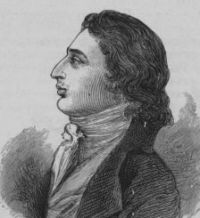
Portrait of Robert Southey Robert Southey The doctor, &c., vol. 4 (of 7) (1834)

A certain Ludovicus Bosch, instead of having his coat of arms, or his cypher engraved to put in his books, had a little print of himself in his library. The room has a venerable collegiate character; there is a crucifix on the table, and a goodly proportion of folios on the shelves. Bosch in a clerical dress is seated in an easy chair, cogitabund, with a manuscript open before him, a long pen in his hand, and on his head a wig which with all proper respect for the dignity and vocation of the wearer, I cannot but honestly denominate a caxon.
Source: Gutenberg

Various Punch, or the London Charivari…

When the Bosch is kept in a watertight compartment for a bit, he gets back to being more or less of a human being. His whole trouble's really through being surrounded by other Bosches. They get tellin' each other what a great nation they are, and how they was born to inherit the earth, and that it's only forestalling nature a bit to go and take it now, and so on—each going one better than the last.
Source: Gutenberg

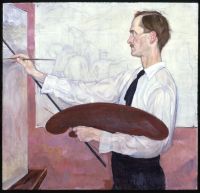
Portrait of Bryson Burroughs Bryson Burroughs The Metropolitan Museum of Art Bulletin (1913)

Works like the Prado Adoration, with which our painting may be classed, show Bosch's realistic tendencies—his love of the landscape of his own country with its humble or picturesque incidents and the appreciation of character in the life he was accustomed to. The pursuit of these things leads him away from the unified sacramental arrangements of his academic ancestors towards a system of composition where each group or figure calls for its special examination, and each part of the panel has an interest for its own sake alone.
Source: Wikisource

Get perspective with Kwize: daily news enlightened by great literature