Hōjō clan

Definition and stakes

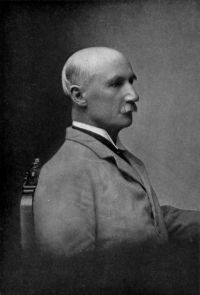
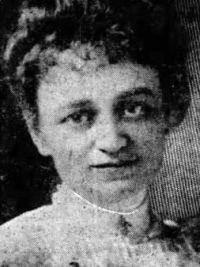
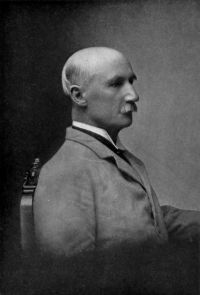
Portrait of Mary F. Nixon-Roulet Mary F. Nixon-Roulet,  Japanese folk stories and fairy tales (1908)

“ O Nitta San was a great warrior. He fought for Go-Daigo the emperor and was his faithful general. Many a battle he fought and won, though the men of the Hojo Clan were many and strong and fought well. But when he reached the headland of the pines, the soul of O Nitta San was heavy within him.
“The men of the Hojo guard the sea with ships, they watch the hills with archers,” he said to his head man. “They are as many as the waves of the sea. Our fate is in the hands of the gods!”
”
Source: Gutenberg

Thomas Hoover,  Zen Culture

“ Having murdered all the competent members of his family, lest they prove rivals, he left no line except two ineffectual sons, neither of whom was worthy to govern. The power vacuum was filled by his in-laws of the Hojo clan, who very shortly eliminated all the remaining members of the Minamoto ruling family and assumed power. Not wishing to appear outright usurpers of the office of shogun, they invented a position known as regent, through which they manipulated a hand-picked shogun, who in turn manipulated a powerless emperor. ”
Source: Gutenberg

Charles Morris,  Historic Tales: The Romance of Reality…

“ They were able men, and governed the country well. The shoguns were chosen by them from the Minamoto clan, boys being selected, some of them but two or three years old, who were deposed as soon as they showed a desire to rule. The same was the case with the mikados, who were also creatures of the Hojo clan. One of them who had been deposed raised an army and fought for his throne. He was defeated and exiled to a distant monastery. Others were deposed, and neither mikados nor shoguns were permitted to reign except as puppets in the hands of the powerful regents of the realm. ”
Source: Gutenberg

Get perspective with Kwize: daily news enlightened by great literature