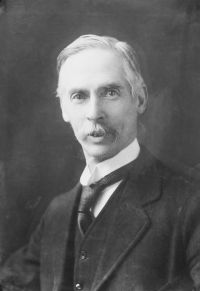
The International Labour Organization (ILO), a United Nations agency founded in 1919, advocates for social and economic justice by promoting international labour standards that emphasize freedom, fairness, and respect in employment. Its distinctive tripartite structure—bringing together governments, employers, and workers—guides the development of policies and conventions, such as the 1944 Philadelphia Declaration, which stated "labour is not a commodity.
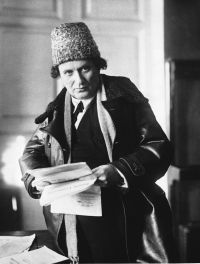
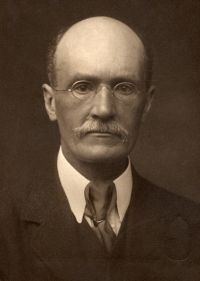
" Scholars such as Lynden Livingston Macassey have noted its influence on national laws, while Grigory Zinoviev offered criticism of pre-war labor unions' limited international collaboration. The ILO’s involvement in creating conventions and encouraging dialogue highlights its lasting significance in advancing workers' rights and fostering global collaboration.