Japanese feudalism

Definition and stakes

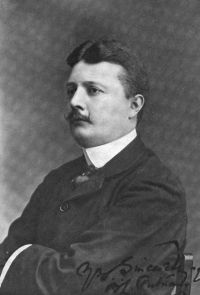
T. Iyenaga,  The Constitutional Development of Japan 1853-1881

“ A monarchical or a democratic society encourages the spirit of union, but feudal society must, from its very nature, smother it. Seclusion is the parent of feudalism. In our enlightened and progressive century seclusion is no longer possible. Steam and electricity alone would have been sufficient to destroy our Japanese feudalism. But long before its fall our Japanese feudalism "was an empty shell." Its leaders, the Daimios of provinces, were, with a few exceptions, men of no commanding importance. ”
Source: Gutenberg

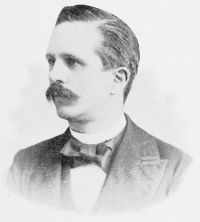
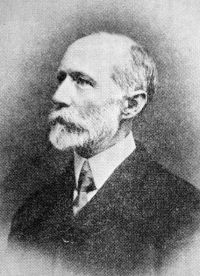
Portrait of Basil Hall Chamberlain Basil Hall Chamberlain,  Things Japanese (1905)

“ We would not have it thought that Japanese women are actually ill-used. There is probably very little wife-beating in Japan, neither is there any zenana system, any veiling of the face. Rather is it that women are all their lives treated more or less like babies, neither trusted with the independence which our modern manners allow, nor commanding the romantic homage which was woman's dower in mediæval Europe; for Japanese feudalism despite its general similarity to the feudalism of the West knew nothing of gallantry. ”
Source: Wikisource

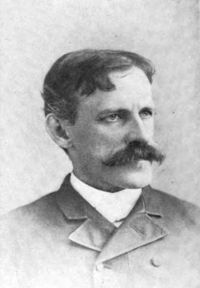
Portrait of H. G. Wells H. G. Wells,  The Outline of History: Being a Plain History of Life and Mankind

“ No Japanese could go abroad, and no European enter the country.
For two centuries Japan remained outside the main current of history. She lived on in a state of picturesque feudalism enlivened by blood feuds, in which about five per cent. of the population, the samurai, or fighting men, and the nobles and their families, tyrannized without restraint over the rest of the population. All common men knelt when a noble passed
”
Source: Gutenberg

Get perspective with Kwize: daily news enlightened by great literature