Japanese painting

Definition and stakes

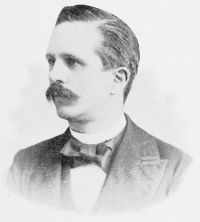
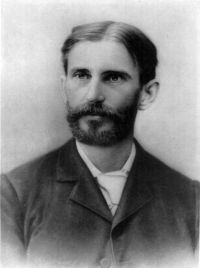
Woldemar von Seidlitz,  A History of Japanese Colour-Prints (1910)

“ This is not the place to go into the exact nature of Japanese taste, for this only shows itself in its sharpest definition during the classic period of Japanese painting, which preceded the eighteenth century, the era of wood-engraving. It is the art of the nineteenth century alone which has influenced the most recent developments of European art and modified European taste, although for the Japanese it represents no more than a last phase, a second and less vigorous flowering, however new and subtle its manifestations. ”
Source: Wikisource

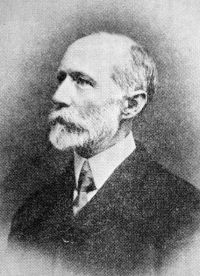
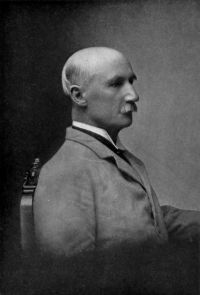
Portrait of Francis Brinkley Francis Brinkley,  The Art of Japan — Volume 1 (1901)

“ It may be laid down as axiomatic that an intimate relationship exists between Japanese caligraphy and Japanese painting, and that the Japanese eye detects in brush strokes an æsthetic beauty too subtle to appeal to men living outside the ideographic pale. Touch, as has been well said by a great connoisseur of Japanese pictorial art, is not by any means the most important quality in a picture, but it nevertheless contributes largely to the flavour and vitality of an artist’s work. ”
Source: Wikisource

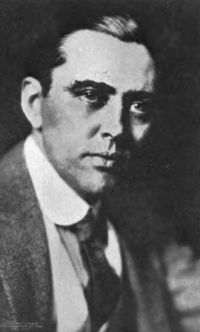
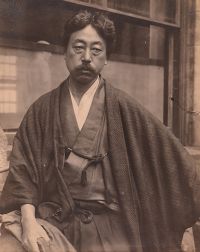
Portrait of Arthur Davison Ficke Arthur Davison Ficke,  Chats on Japanese Prints

“ The mystery of the{39} expression of pure personality in art is nowhere more strikingly exemplified than here. To the accustomed eye the line-work of the Japanese artist is vibrant with intimate connection between hand and spirit. This command of the brush, so perfect that the passion of the artist's soul flows out through it, is one of the vital characteristics of Japanese painting. ”
Source: Gutenberg

Get perspective with Kwize: daily news enlightened by great literature