Kharijites

Definition and stakes

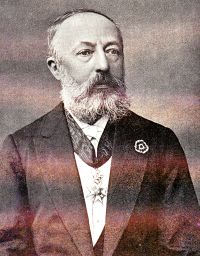
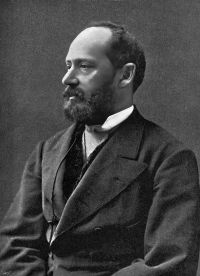
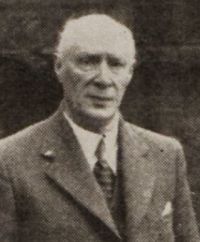
Portrait of Theodor Nöldeke Theodor Nöldeke,  Sketches from Eastern History

“ The family of Táhir also, which from the days of Caliph Mámún had held the governorship of Khorásán, and of Sístán, which was regarded as an appendage, was unable to put down the Kharijites here, who steadily became more unruly as the power of the Táhirids waned. But in Sístán, as in other desert lands, Kharijite was often little more than a polite name for bandit. We thus understand how it was that, in the midst of this vigorous population, as the power of the State dwindled, volunteer bands were formed for defence against the Kharijites. ”
Source: Gutenberg

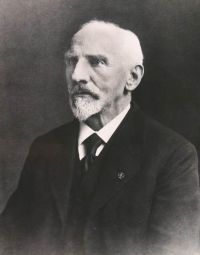
Portrait of Theodor Nöldeke Theodor Nöldeke,  Sketches from Eastern History

“ The Kharijites, [27] who had no reason for regarding the rule of the Prophet’s kinsmen as juster or more in accordance with the laws of God than that of the Omayyads, fought on for their ideals in various parts of the empire, with few followers indeed, but with a courage that defied death. Thus a certain Kharijite, Mulabbid, in Mesopotamia gave much trouble to the armies of the Caliph, and was only at last overcome in 756 by Házim, perhaps the ablest of Mansúr’s generals. ”
Source: Gutenberg

Duncan Black MacDonald,  Development of Muslim Theology…

“ The Kharijites, on the other hand, recognize no fundamental need of an Imam; he is only allowable. Some of them held that he should be appointed in time of public trouble to do away with the trouble, thus a kind of dictator; others, in time of peace, because only then can the people agree. The Mu‘tazilites and the Zaydites held that it was for man to appoint, but that the necessity was based on reason; men needed such a leader. Yet some Mu‘tazilites taught that the basis was partly reason and partly obedience to tradition. ”
Source: Gutenberg

Get perspective with Kwize: daily news enlightened by great literature