Latin poetry

Definition and stakes

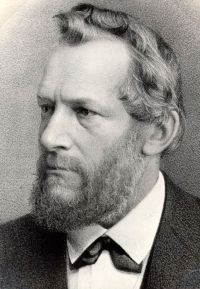
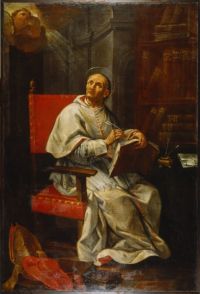
Portrait of Peter Damian Peter Damian,  The Glory of Paradise (1857)

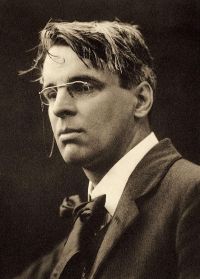
“ Severely addicted, as I must be supposed to be, to versification of the stricter and more classical order, I must confess my sympathy with those who take extreme delight in the sacred Latin poetry of the Middle Ages, in which that language seems for the first time to have put forth its full power, and, in wholly discarding imitation, to have become inimitable itself. ”
Source: Wikisource

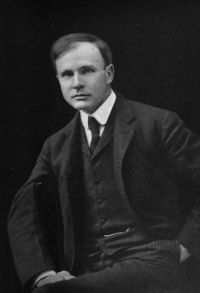
Susan Paxson,  A Handbook for Latin Clubs

“ The magic of mere words; the mission of language; the worth of form as well as of matter; the power to make a common thought immortal in a phrase, so that your fancy can no more detach the one from the other than it can separate the soul and body of a child; it was the veiled half revelation of these things that made that old text-book forever fragrant to me. There are in it the still visible traces of wild flowers which I used to press between the pages, on the way to school; but it was the pressed flowers of Latin poetry that were embalmed there first. These are blossoms that do not fade. ”
Source: Gutenberg

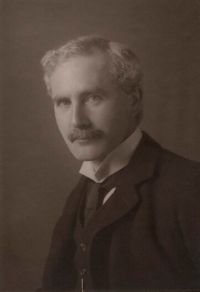
Portrait of Henry Osborn Taylor Henry Osborn Taylor,  The Mediaeval Mind (1911)

“ Nor was this divergence uninfluenced by the fact that Romance poetry was popular and usually concerned with topics of this life, while Latin poetry in the most striking lines of its evolution was liturgical; and even when secular in topic tended to become learned, since it was the product of the academically educated classes. Much of the vernacular (Romance as well as Germanic) poetry in the Middle Ages was composed by unlearned men who had at most but a speaking acquaintance with Latin, and knew little of the antique literature. ”
Source: Wikisource

Get perspective with Kwize: daily news enlightened by great literature