Memphis and Charleston Railroad

Definition and stakes

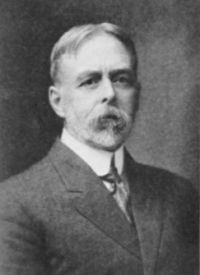
Portrait of William Pittenger William Pittenger,  Daring and Suffering: A History of the Great Railroad Adventure

“ With a wonderful energy that must command our admiration, though it be only of the kind that is accorded to Satan as pictured in "Paradise Lost," they passed the conscription law, abandoned the posts they still held on the frontier, and concentrated their forces on a shorter line of defence.
The eastern part of this line extended from Richmond, through Lynchburg, to East Tennessee. In the west, it was represented by the Memphis and Charleston Railroad, extending from Memphis, through Corinth, Huntsville, Chattanooga, and Atlanta, to Charleston.
”
Source: Gutenberg

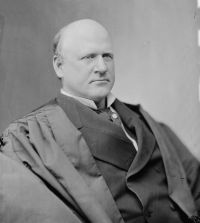
Portrait of Frank Parsons Frank Parsons,  The heart of the railroad problem (1906)

“ The Summerville dealer was thus practically confined to Summerville for a market, and even there had to compete with dealers doing business at Charleston 19 miles away. If $3.80 per ton is profitable to the carriers for bringing hay in carloads from Memphis to Charleston, then $5.60 per 100ton, nearly 50 percent more, from Memphis to Summerville, which is nearer than Charleston is to Memphis, represents an extra profit of $1.80, which the carrier did not and could not show to be equalled by extra cost of transporting a car of hay and delivering the same at Memphis. ”
Source: Gutenberg

Get perspective with Kwize: daily news enlightened by great literature