Mithridates VI Eupator

Definition and stakes

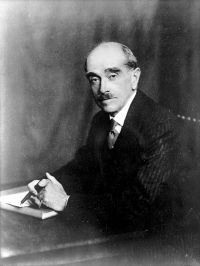
A. C. Wootton,  Chronicles of Pharmacy, Vol. 1…

“ The anticipation of some marvellous secrets was so universal, and the Roman publishers so well disposed to cater for this, that it is not to be wondered at that a confection of Mithridates and stories of its miraculous power soon found their way into literature. A pompous formula, which it was professed had been discovered among the papers of Mithridates captured by Pompey came to be known under the title of Antidotum Mithridatium. ”
Source: Gutenberg

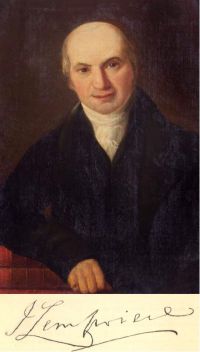
Portrait of Plutarch Plutarch,  Plutarch's Lives, Volume 2 (of 4…

“ In the time of Demosthenes, in the fourth century before the Christian æra, the Athenians imported annually a large quantity of corn from the Bosporus. This was the country that now belonged to Mithridates. (Penny Cyclopædia, article "Bosporus.")
[204] Kaltwasser conjectures that the son who is first mentioned was Mithridates, and he remarks that Appian (Mithridatic War, c. 64) calls him also Mithridates. But in place of the name Ariarathes, he reads Aciarathes, whom he makes to be the same as the Arcathias of Appian (c. 35) . Ariarathes however was a son of Mithridates (Mithridatic War, 15)
”
Source: Gutenberg

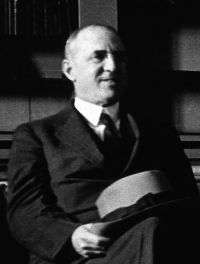
Portrait of C. J. S. Thompson C. J. S. Thompson,  The Mystery and Romance of Alchemy and Pharmacy

“ Some of the early preparations used in pharmacy were as elaborate as they were mysterious. The Treacle of Andromachus the elder, a recipe of great antiquity, contained sixty-three ingredients; and the celebrated Mithridate of Damocratis contained forty-eight.
The origin of the formula for “Mithridates” is ascribed to Mithridates, King of Pontus, whose recipe Pompey brought to Rome, where Damocratis sang its praises and proclaimed its virtues. It was considered by the ancients a panacea for every ill.
”
Source: Gutenberg

Get perspective with Kwize: daily news enlightened by great literature