Modane

Definition and stakes

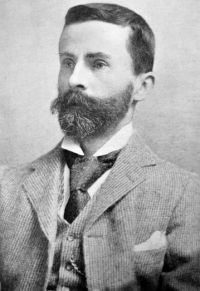
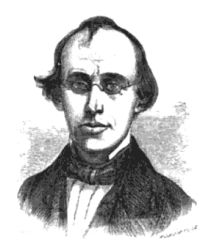
Portrait of Edward Whymper Edward Whymper,  Scrambles amongst the Alps — Chapter 3 (1871)

“ In a few yards its pace is reduced, and it comes down and down to about four miles an hour, which speed is usually maintained until the incline is passed, without a diminution of the steam-pressure. I say usually, because, if it should happen that there is not sufficient steam, or should the driver happen to make a slip, the train would most likely come back to Modane; for, although the break-power on the train is much more than sufficient to prevent it running back, the driver could hardly start with the breaks on, and the train would inevitably run back if they were off. ”
Source: Wikisource

1911 Encyclopædia Britannica, Volume 18… (1911)

“ MODENA (ancient Mutina) , one of the principal cities of Emilia, Italy, the chief town of the province of Modena and the seat of an archbishop, 31 m. E.S.E. of Parma by rail. Pop. (1906) , 26,847 (town) ; 66,762 (commune) . It is situated in a damp, low plain in the open country in the south side of the valley of the Po, between the Secchia to the west and the Panaro to the east. Some of its main streets (as their names indicate) follow the lines of canals, which still (though now covered) traverse the city in various directions. The observatory stands 135 ft. above the level of the sea. ”
Source: Wikisource

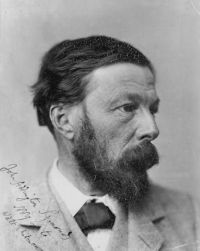
Portrait of John Addington Symonds John Addington Symonds,  Sketches and Studies in Italy and Greece…

“ There is Modena and her Ghirlandina. Carpi, Parma, Mirandola, Verona, Mantua, lie well defined and russet on the flat green map; and there flashes a bend of lordly Po; and there the Euganeans rise like islands, telling us where Padua and Ferrara nestle in the amethystine haze Beyond and above all to the northward sweep the Alps, tossing their silvery crests up into the cloudless sky from the violet mist that girds their flanks and drowns their basements. Monte Adamello and the Ortler, the cleft of the Brenner, and the sharp peaks of the Venetian Alps are all distinctly visible. ”
Source: Gutenberg

Get perspective with Kwize: daily news enlightened by great literature