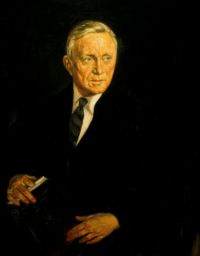
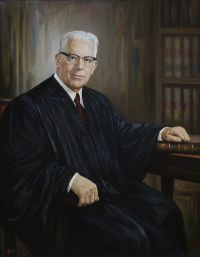
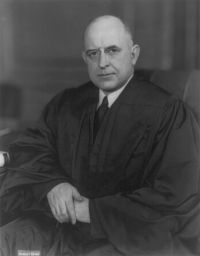
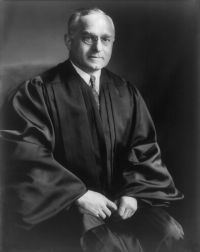
The National Labor Relations Board (NLRB), an independent U.S. federal agency, enforces labor laws related to collective bargaining and unfair labor practices under the 1935 National Labor Relations Act. Created to mediate conflicts and recognize union representation, its authority has been influenced by judicial rulings. Justices such as Hugo Black highlighted its function in recognizing unions, while William J.
Brennan emphasized its duty in maintaining balance in labor policy. Owen J. Roberts challenged its ability to determine employment relationships, underscoring the tensions between administrative and judicial functions. These decisions collectively shape the NLRB as a crucial, yet controversial, mediator in labor relations, working through legal uncertainties to support federal labor policy.