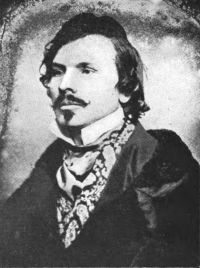
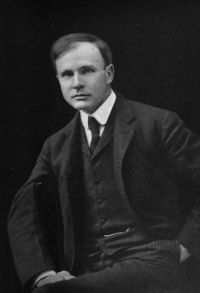
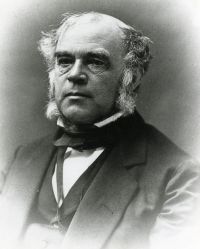
Orphism, a mystical and ascetic tradition originating in ancient Greek religion, emphasized spiritual cleansing, the sacredness of life, and the quest for eternal existence through ceremony and self-reflection. Euripides observed its integration with the worship of Dionysus, while John Kelman emphasized its elevated spirituality and chants extolling the sacredness of life.
The Encyclopædia Britannica (Freese and Anonymous) highlighted its significance in pre-Christian theological discussions, and Clifford Herschel Moore connected it to emotional, pre-rational convictions about the purification of the soul. Charles Kingsley’s poetic description portrayed Orpheus as a legendary poet shaping the cosmos, while Lawrence Gilman referred to Orpheus as an emblem of art’s ability to harmonize human discord. These diverse viewpoints illustrate Orphism as a link between ritual, philosophy, and the pursuit of transcendence in ancient thought.
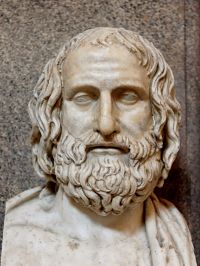 Euripides,
The Bacchae of Euripides
Euripides,
The Bacchae of Euripides