Asphodel

Definition and stakes

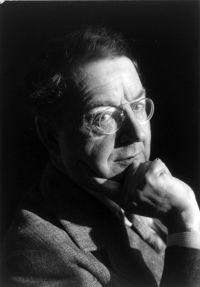
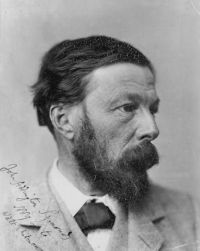
Portrait of E. M. Forster E. M. Forster,  Pharos and Pharillon

“ How came the Greeks to plant so buxom a bulb in the solitary place they imagined beyond the grave—that place which though full of philosophers and charioteers remains for ever empty? The asphodel is built to resist rough winds and to stand on the slopes of an earthly hill. It is too heavy for the hands of ghosts, too harsh for their feet, but perhaps ours were not the asphodels the Greeks planted, and their ghosts may have walked upon what we call Stars of Bethlehem. The marigolds are solid too, but for the most part the flora are very delicate, and their colours aerial. ”
Source: Gutenberg

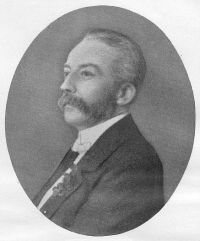
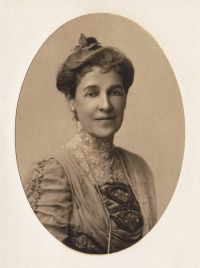
Portrait of Florence Earle Coates Florence Earle Coates,  Lyrics of Life (1909)

“ Red poppies, which the elves for torches burn,—
⁠But for my own I choose—the asphodel."
Indignant stared the children; then they cried—
⁠Amid their pastime ready still for strife—
"The asphodel! You only choose through pride
⁠A flower you never saw in all your life!"
”
Source: Wikisource

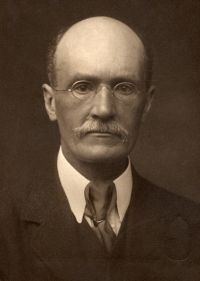
William Radcliffe,  Fishing from the Earliest Times

“ To provide food for the dead, asphodel was planted near tombs (Odyssey, XI. 539 and 573) by the Greeks. From Hesiod (Op. 41) we learn that the roots of the asphodel were eaten as a common vegetable, as was the mallow. Merry states that in the Greek islands, where customs linger longer than on the mainland, this “kind of squill is still planted on graves.” If the Homeric ‘mead of asphodel’ turns out, as some editors maintain, to have had a strictly utilitarian significance, how many poets and poetasters have mistaken ‘greens’ for ‘greenery!’
[978] King, Babylonian Religion (op. cit.)
”
Source: Gutenberg

Get perspective with Kwize: daily news enlightened by great literature