Ottomans

Definition and stakes

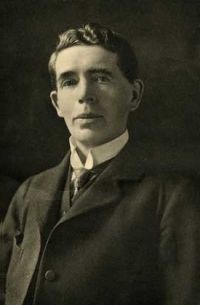
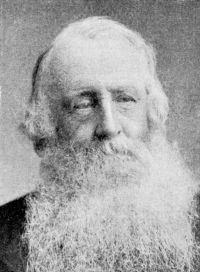
Portrait of Agnes Repplier Agnes Repplier,  Points of view

“ If the heroic struggle for a national life is at all times the most engrossing picture the world’s history has to show us, where shall we look for a more vivid illustration of the theme than in the long and bitter contest between cross and crescent, between the steady, relentless encroachment of the Turkoman power, and the vain and dauntless courage which opposed it? The story of the early Ottomans is one of wasteful and inexorable conquest, unrelieved by any touches of humanity, or any impulses towards a higher civilization. ”

Source: Gutenberg

Various,  The Continental Monthly, Vol 3 No 3…

“ Turkey was in the fulness of her power when Russia had not yet a name. The spirit of the Ottomans was remarkably exclusive. They regarded themselves as a separate and distinct people; they were conquerors, and as such thought themselves a superior race—men who were to teach and not to learn. In their intercourse with other nations, they borrowed nothing, and out of themselves looked for nothing. Their feeling of national glory was not extinguished by national degradation, but cherished through ages of slavery and shame. But the world is a world of progress. ”
Source: Gutenberg

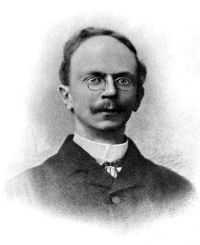
Portrait of H. G. Wells H. G. Wells,  The Outline of History: Being a Plain History of Life and Mankind

“ Constantinople had been the tutor and polisher of the Turks. So long as the Ottomans could draw science, learning, philosophy, art, and tolerance from a living fountain of civilization in the heart of their dominions, so long had the Ottomans not only brute force, but intellectual power. So long as the Ottoman Empire had in Constantinople a free port, a market, a centre of world finance, a pool of gold, an exchange, so long did the Ottomans never lack for money and financial support. ”
Source: Gutenberg

Get perspective with Kwize: daily news enlightened by great literature