“ Its various parts have grown, not under one hand, but from a common root, until it blossomed forth in its full glory when the western front of Catherine de Medici took form. Unfortunately, with its disappearance at the Commune the completeness of this elaborate edifice went for ever.One is apt to overlook the fact that the old Louvre, the ancienne Palais du Louvre, was a mediæval battlemented and turreted structure, which bore little resemblance to the Louvre of to-day, or [Pg 265] even that of Charles, Henri, Catherine, or Marguerite, of whom Dumas wrote in the Valois romances. ”
Palais du Louvre
Definition and stakes
The theme of “Palais du Louvre” has been addressed by authors such as Thomas Okey, Joseph Archer Crowe and Paul George Konody, Luise Richter, M. F. Mansfield and H. Sutherland Edwards. It is often associated with terms like palace, museum, France, Tuileries and Paris.
Quotes about “Palais du Louvre”
 James Fenimore Cooper,
Recollections of Europe
James Fenimore Cooper,
Recollections of Europe
“ The royal residences in Paris at this time are, strictly speaking, but two,—the Tuileries and the Palais Royal. The Louvre is connected with the first, and it has no finished apartments that are occupied by any of princely rank, most of its better rooms being unfinished, and are occupied as cabinets or museums. A small palace, called the Elysée Bourbon, is fitted up as a residence for the heir presumptive, the Duc de Bordeaux ”
Benjamin Ellis Martin, The Stones of Paris in History and Letters…
“ The remaining portion, which served as stables for Louis-Philippe, was wiped away, along with all that end of the old street, by the Second Empire, to make space for the alignment of the wings of the Louvre. The buildings of the Ministry of Finance cover a portion of the street, and the site of Molière's residence, in the middle of the present Place du Palais-Royal, is trodden, almost every day of the year, by the feet of American women, hurrying to and from the Museum of the Louvre or the great shop of the same name. ”

Related terms
Authors who wrote about “Palais du Louvre”
 Thomas OkeyJoseph Archer Crowe and Paul George KonodyLuise RichterM. F. Mansfield
 H. Sutherland Edwards
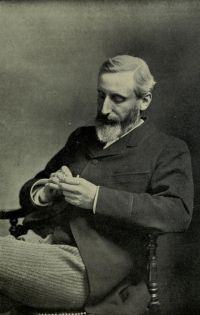 Grant AllenFrancis William BlagdonVarious
 Nathaniel HawthorneShearjashub Spooner
 Nathaniel Parker WillisSir Archibald AlisonJohn Gustavus LemaistreCharles Bullard Fairbanks
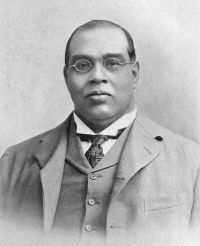 Romesh Chunder Dutt
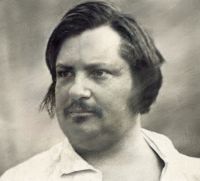 Honoré de BalzacBenjamin Ellis MartinJetta Sophia Wolff
 Laurence SterneJames Fenimore Cooper