Pierre-Auguste Renoir

Definition and stakes

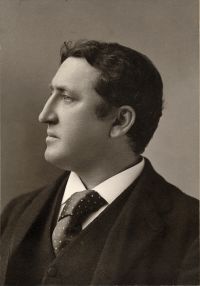
Wynford Dewhurst Impressionist painting: its genesis and development (1904)

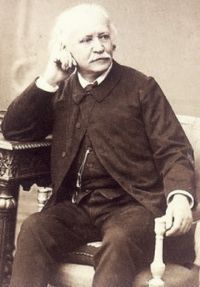
Auguste Renoir was born in 1841, and has always taken an important place in the Impressionist movement. His work forms an epitome of the whole school, and perhaps it is for that very reason that the artist has not attained a higher popular appreciation. During his forty years of continual labour he has produced landscapes, seascapes, large subject compositions, 52studies of still-life, portraits, and exquisite nudes. Critics, charged with enthusiasm, have found in his canvases the finest traits of Boucher, Fragonard, Greuze, Reynolds, and Hoppner.
Source: Gutenberg

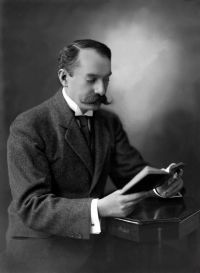
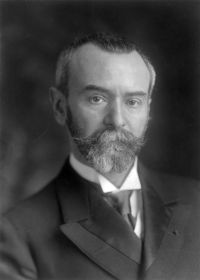
Portrait of James Huneker James Huneker Promenades of an Impressionist

The lively man who in shirt sleeves dances with the jolly, plump salesgirl, the sunlight dripping through the vivid green of the tree leaves, lending dazzling edges to profiles, tips of noses, or fingers, is not the sullen ouvrier of Zola or Toulouse-Lautrec—nor are the girls kin to Huysmans's Soeurs Vatard or the "human document" of Degas. Renoir's philosophy is not profound; for him life is not a curse or a kiss, as we used to say in the old Swinburne days. He is a painter of joyous surfaces and he is an incorrigible optimist. He is also a poet.
Source: Gutenberg

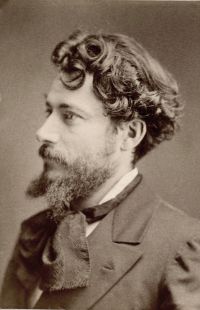
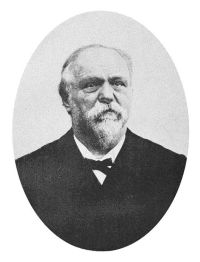
Portrait of Roger Fry Roger Fry Vision and Design

More than any other great modern artist Renoir trusted implicitly to his own sensibility; he imposed no barrier between his own delight in certain things and the delight which he communicates. He liked passionately the obviously good things of life, the young human animal, sunshine, sky, trees, water, fruit; the things that every one likes
Source: Gutenberg

Get perspective with Kwize: daily news enlightened by great literature