Pléiade

Definition and stakes

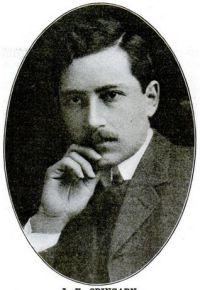
Portrait of George Saintsbury George Saintsbury,  A Short History of French Literature

“ The movement and its chief promoters are indifferently known in literature by the name of the Pléiade, a term applied by the classical affectation of the time to the group of seven men [192] , Ronsard, Du Bellay, Belleau, Baïf, Daurat, Jodelle, and Pontus de Tyard, who were most active in promoting it, and who banded themselves together in a strict league or coterie for the attainment of their purposes. ”
Source: Gutenberg

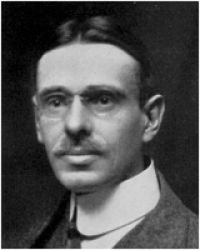
Portrait of Charles Sears Baldwin Charles Sears Baldwin,  Renaissance literary theory and practice (1939)

“ His editor, regarding it as the best formulation of the Pléiade movement, notes that it relies on Horace’s “Ars poetica” [which Peletier had translated ten years before] , Cicero, and Quintilian, that it uses no Greek source and of the Italians only Vida, that the great model is Vergil, and that the section on dramaturgy is slight and feeble. He sums up the doctrine as: (1) use your vernacular and enrich it; (2) imitate the ancients; (3) imitate nature; (4) cultivate the high poetic forms urged by the Pléiade.
[164]
The little that Peletier has to say on poetic composition is all rhetoric.
”
Source: Gutenberg

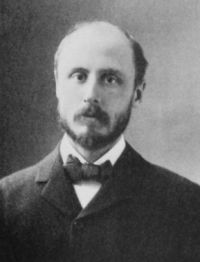
Portrait of Joel Elias Spingarn Joel Elias Spingarn,  A History of Literary Criticism in the Renaissance

“ Pelletier's point of view is here that of the Pléiade, which aimed at a distinct poetic language, diverse from ordinary prose speech. But he is thoroughly French, and in complete accord with the author of the Quintil Horatian, in his insistence on perfect clearness in poetry. "Clearness," he says, "is the first and worthiest virtue of a poem." [385] Obscurity is the chief fault of poetry, "for there is no difference between not speaking at all and not being understood." ”
Source: Gutenberg

Get perspective with Kwize: daily news enlightened by great literature