Rolls-Royce

Definition and stakes

Portrait of F. Scott Fitzgerald F. Scott Fitzgerald,  The Great Gatsby (1925)

“ In his blue gardens men and girls came and went like moths among the whisperings and the champagne and the stars. At high tide in the afternoon I watched his guests diving from the tower of his raft, or taking the sun on the hot sand of his beach while his two motor-boats slit the waters of the Sound, drawing aquaplanes over cataracts of foam. On weekends his Rolls-Royce became an omnibus, bearing parties to and from the city between nine in the morning and long past midnight, while his station wagon scampered like a brisk yellow bug to meet all trains. ”
Source: Gutenberg

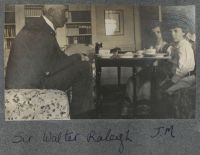
Portrait of Sir Walter Alexander Raleigh Sir Walter Alexander Raleigh,  The War in the Air; Vol. 1

“ Rolls-Royce to produce a 250 horse-power water-cooled engine. The experts of the Royal Aircraft Factory gave all possible help; they lent the drawings prepared for the high-powered engine designed by the factory, and so became sponsors for the famous Rolls-Royce engines of the later days of the war. The output of the Rolls-Royce works, in accordance with the agreement, was placed at the disposal of the Admiralty. ”
Source: Gutenberg

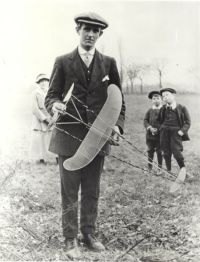
W. Lockwood Marsh,  A History of Aeronautics

“ The abnormal needs of the war period brought many British firms into the ranks of Vee-type engine-builders, and, apart from those mentioned, the most notable types produced are the Rolls-Royce and the Napier. The first mentioned of these firms, previous to 1914, had concentrated entirely on car engines, and their very high standard of production in this department of internal combustion engine work led, once they took up the making of aero engines, to extreme efficiency both of design and workmanship. ”
Source: Gutenberg

Get perspective with Kwize: daily news enlightened by great literature