Rule of three

Definition and stakes

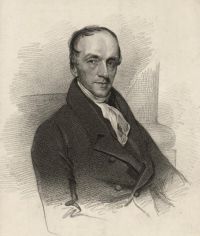
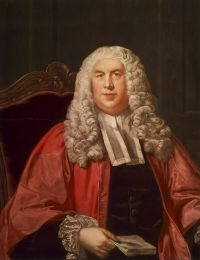
Portrait of William Blackstone William Blackstone,  Commentaries on the Laws of England (1768)

“ Established customs; such as that where there are three brothers, the eldest brother shall be heir to the second, in exclusion of the youngest: and 2. Established rules and maxims; as, “that the king can do no wrong, that no man shall be bound to accuse himself,” and the like. But I take these to be one and the same thing. For the authority of these maxims rests entirely upon general reception and usage; and the only method of proving, that this or that maxim is a rule of the common law, is by shewing that it hath been always the custom to observe it. ”
Source: Wikisource

Portrait of Thomas Henry Huxley Thomas Henry Huxley,  Aphorisms and Reflections from the Works of T. H. Huxley

“ On the face of the matter, it is absurd to ask whether it is more important to know the limits of one's powers; or the ends for which they ought to be exerted; or the conditions under which they must be exerted. One may as well inquire which of the terms of a Rule of Three sum one ought to know in order to get a trustworthy result. Practical life is such a sum, in which your duty multiplied into your capacity, and divided by your circumstances, gives you the fourth term in the proportion, which is your deserts, with great accuracy. ”
Source: Gutenberg

Get perspective with Kwize: daily news enlightened by great literature