Russian poetry

Definition and stakes

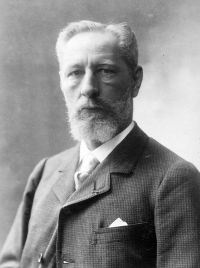
Portrait of Eugène-Melchior de Vogüé Eugène-Melchior de Vogüé,  Russian Novelists (1887)

“ During these years of romanticism, so short and yet so full, between 1815 and 1840 only, all intelligent minds in Russia seemed given up to thought, imagination, and poetry.
Everything in this country develops suddenly. Poets appear in numbers, just as the flowers of the field spring forth after the sun's hot rays have melted the snow. At this time poetry seemed to be the universal language of men. Only one of this multitude of poets, however, is truly admirable, absorbing all the rest in the lustrous rays of his genius,—the glorious Pushkin.
”
Source: Wikisource

Various authors,  Best Russian Short Stories (1917)

“ The Russians take literature perhaps more seriously than any other nation. To them books are not a mere diversion. They demand that fiction and poetry be a true mirror of life and be of service to life. A Russian author, to achieve the highest recognition, must be a thinker also. He need not necessarily be a finished artist. Everything is subordinated to two main requirements—humanitarian ideals and fidelity to life. This is the secret of the marvellous simplicity of Russian-literary art. Before the supreme function of literature, the Russian writer stands awed and humbled. ”
Source: Wikisource

Anne C. Lynch Botta,  Handbook of Universal Literature…

“ In the rich and fertile steppes of the Ukraine, where every forest tree seems to harbor a singer, and every blade of grass on the boundless plains seems to whisper the echo of a song, this pensive character of Russian poetry deepens into a melancholy that finds expression in a variety of sweet elegiac melodies. A German writer says of them, "they are the sorrows of whole centuries blended in one everlasting sigh." The spirit of the past indeed breathes through their mournful strains. ”
Source: Gutenberg

Get perspective with Kwize: daily news enlightened by great literature