Scottish literature

Definition and stakes

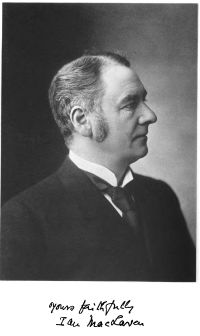
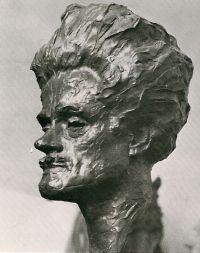
Portrait of Hugh MacDiarmid Hugh MacDiarmid,  Albyn; or, Scotland and the future (1927)

“ There is more in this Scottish antithesis of the real and fantastic than is to be explained by the familiar rules of rhetoric. This mingling, even of the most eccentric kind, is an indication to us that the Scot, in that mediæval fashion which takes all things as granted, is at his ease in both ‘rooms of life,’ and [23] turns to fun, and even profanity, with no misgivings. For Scottish literature is more mediæval in habit than criticism has suspected, and owes some part of its picturesque strength to this freedom in passing from one mood to another. ”
Source: Gutenberg

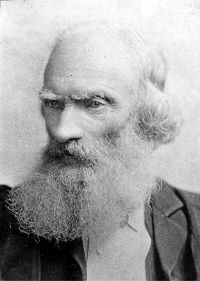
David Masson,  Edinburgh sketches & memories (1892)

“ What we may call the Scotticism of Scott,—that special passion for all that appertained to the land of brown heath and shaggy wood, that affection for Scottish themes and legends in preference to all others, which he had impressed upon Scottish Literature so strongly that its perpetuation threatens to become a restriction and a narrowness, was the chief inspiration of many of those Scottish writers who came after him, in Edinburgh or elsewhere. ”
Source: Gutenberg

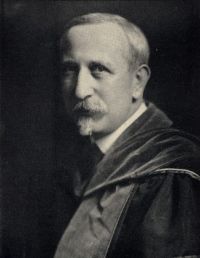
Portrait of William Allan Neilson William Allan Neilson,  Robert Burns: How To Know Him

“ The seventeenth century was a barren one for Scottish literature. The attraction of the larger English public and the disuse of the vernacular among the upper classes already discussed, drew to the South or to the Southern speech whatever literary talent appeared in the North, and it seemed for a time that, except for the obscure stream of folk poetry, Scottish vernacular literature was at an end. ”
Source: Gutenberg

Get perspective with Kwize: daily news enlightened by great literature