Semitic peoples

Definition and stakes

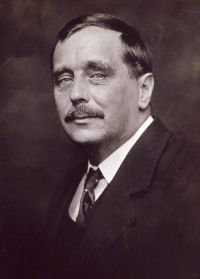
Portrait of H. G. Wells H. G. Wells,  The Outline of History: Being a Plain History of Life and Mankind

“ The Semitic peoples, we may point out here, are to this day counting peoples strong in their sense of equivalents and reparation. The moral teaching of the Hebrews was saturated by such ideas. “With what measure ye mete, the same shall be meted unto you.” Other races and peoples have imagined diverse and fitful and marvellous gods, but it was the trading Semites who first began to think of God as a Righteous Dealer, whose promises were kept, who failed not the humblest creditor, and called to account every spurious act. ”

Source: Gutenberg

1911 Encyclopædia Britannica (1911)

“ But still there is a danger of assuming that the most important characteristics of particular Semitic peoples, especially of the Israelites and of the Arabs, are common to all Semites, and of ascribing to the influence of race certain striking features which are the result of the external conditions of life, and which, under similar circumstances, are also developed among non-Semitic races. ”
Source: Wikisource

Portrait of Horace G. Hutchinson Horace G. Hutchinson,  The greatest story in the world…

“ The peoples of the different states were for the most part of the same race, no doubt, just like the Semitic peoples in Syria and Palestine. But they differed from each other in their customs and their ways of government far more than the Semites did. They were very often fighting among themselves and, again like the Semites, found it very difficult to let their jealousy of each other die down and to unite together for defence against a foreign foe. ”
Source: Gutenberg

Get perspective with Kwize: daily news enlightened by great literature