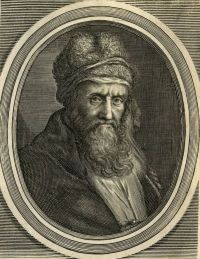
Solon of Athens

Definition and stakes

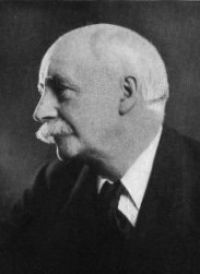
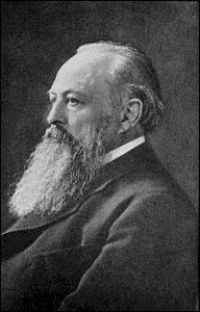
Portrait of John Acton John Acton,  The History of Freedom and Other Essays (1922 (org. 1907))

“ Solon was not only the wisest man to be found in Athens, but the most profound political genius of antiquity; and the easy, bloodless, and pacific revolution by which he accomplished the deliverance of his country was the first step in a career which our age glories in pursuing, and instituted a power which has done more than anything, except revealed religion, for the regeneration of society. The upper class had possessed the right of making and administering the laws, and he left them in possession, only transferring to wealth what had been the privilege of birth. ”
Source: Wikisource

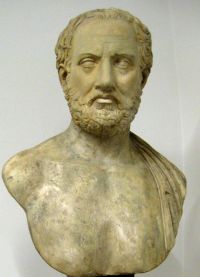
Portrait of Plutarch Plutarch,  The Boys' and Girls' Plutarch

“ Many in Athens are upon your side.
From which it is manifest that he was a man of great reputation before he gave his laws. The several mocks that were put upon him for refusing the power, he records in these words:
Solon surely was a dreamer, and a man of simple mind; When the gods would give him fortune, he of his own will declined; When the new was full of fishes, over-heavy thinking it, He declined to haul it up, through want of heart and want of wit. Had but I that chance of riches and of kingship for one day, I would give my skin for flaying, and my house to die away.
”
Source: Gutenberg

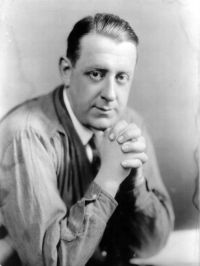
Dorothy Mills,  The book of the ancient Greeks (1925)

“ Solon reformed the government of the state in such a way, that even the poorest citizens had political rights. They could not all be Archons, but Athens, like Sparta and other Greek states, had her general Assembly of the people, and they could all vote at this, and they could all take part in electing the magistrates. ”
Source: Gutenberg

Get perspective with Kwize: daily news enlightened by great literature