Thirty Tyrants

Definition and stakes

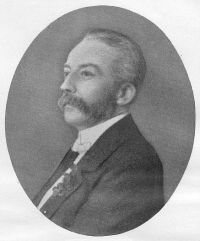
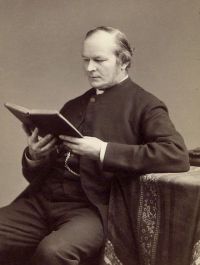
Clifton Wilbraham Collins Plato (1874)

As for death,—is it likely that one who has never shunned danger on the battle-field—who dared to record his solitary vote at the trial of the generals, in defence of the innocent and in defiance of the popular clamour—who had braved the anger of the Thirty Tyrants,—is it likely that he would desert the post of duty now?
Source: Wikisource

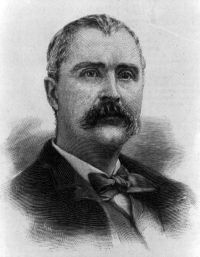
Portrait of Alfred John Church Alfred John Church Callias: A Tale of the Fall of Athens

We had that state of things in Athens for more than half a year. One might almost say that it was like a city taken by storm. No man’s life was safe unless he was willing to do the bidding of the Tyrants—the “Thirty Tyrants” was the nickname of the men that were in power in those days. Who would have thought that Theramenes would ever have been regretted by honest men? Yet it was so. He thought his colleagues were going too far, and opposed them. He was carrying the Senate with him, for many besides him were beginning to feel uncomfortable
Source: Gutenberg

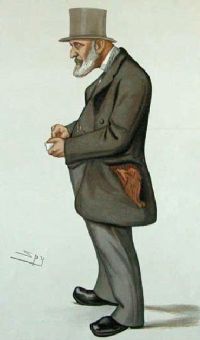
Portrait of William Smith William Smith Dictionary of Greek and Roman Geography (1854)

But from no part of the present Pnyx could the sea be seen, and it is evident, from the existing remains, that it is of much more ancient date than the age of the Thirty Tyrants. Moreover, it is quite incredible that a work od such gigantic proportions should have been erected by the Thirty, who never even summoned an assembly of the citizens. And even if they had effected such a change in the place of meeting for the citizens, would not the latter, in the restoration of the democracy, have returned to the former site?
Source: Wikisource

Get perspective with Kwize: daily news enlightened by great literature