“ Treviso is not a museum. Its ancient palace of the Cavallieri is still in use, though its loggia with traces of rich fresco is filled with lumber. But we are not critical of small details at Treviso; we thank it for its winding streets and for its leaping azure river; we thank it for its countless ancient roofs and painted rafters; for its houses high and low, harmonious though endless in variation, for the remnants of fresco, shadows no doubt of what once they were, but companionable shadows—horses with still distinguishable motions, graceful maidens both of land and sea. ”
Treviso
Definition and stakes
Treviso, a historic town in northeastern Italy, is celebrated for its medieval architecture, strategic geography, and complex historical role within the Venetian Republic and surrounding regions. Authors such as Beryl De Zoete highlight its living heritage, praising its winding streets and vibrant river, while Edward A.
Freeman frames it as a site of political intrigue and historical continuity. Alethea Wiel connects it to Venetian expansionism, Paul Heyse depicts its martial past, and John Addington Symonds links it to cultural resonance in the Middle Ages. These perspectives collectively underscore Treviso’s layered identity as both a practical city and a symbol of enduring regional significance.
Quotes about “Treviso”
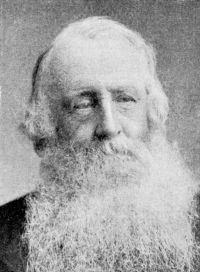 Edward A. Freeman,
Sketches from the Subject and Neighbour Lands of Venice
Edward A. Freeman,
Sketches from the Subject and Neighbour Lands of Venice
“ Not placed in any striking position, not a hill-city, not in any strictness a river-city, but a city of the plain looking towards the distant mountains—not adorned by any building of conspicuous splendour—Treviso is still far from being void of objects which deserve study. As we look on the city, either from the lofty walk into which so large a part of its walls have been turned, or else from the neighbourhood of its railway station, its aspect, without rivalling that of the great cities of 16 Italy, is far from unsatisfactory. ”
Edward A. Freeman,
Sketches from the Subject and Neighbour Lands of Venice
“ But presently Treviso becomes the centre of events in which Austria, Hungary, Bohemia, and the Empire, all play their parts. It is perhaps not wonderful when the maritime republic, mistress of the Trevisan march, vainly seeks to obtain the confirmation of her right from the overlord of Treviso though not of Venice, Charles of Bohemia, King of the Romans and future Emperor. But the old times when Huns, Avars, Magyars, barbarians of every kind, poured into this devoted corner of Italy, seem to have come back, when in 1356 we find Treviso besieged by a Hungarian king. ”
Related terms
Authors who wrote about “Treviso”
F. A. ForbesEdward A. Freeman Paul HeyseGiovanni Boccaccio
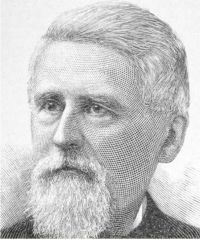 Henry Charles LeaAlethea WielBeryl De Zoete
 Giacomo Casanova
 William Dean Howells
 Luigi Lanzi
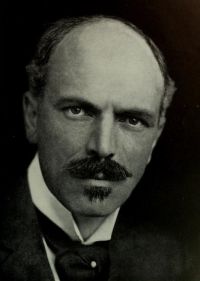 Maurice HewlettGiorgio Vasari
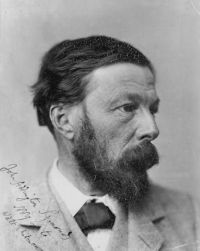 John Addington Symonds| override_editor
 Alexandre Dumas
 Henry Osborn TaylorRiccardo NobiliSt. Alphonsus Liguori
 E. T. A. HoffmannIerne L. Plunket
Edward A. FreemanPaul HeyseGiovanni BoccaccioHenry Charles LeaAlethea WielBeryl De ZoeteGiacomo CasanovaWilliam Dean HowellsLuigi LanziMaurice HewlettGiorgio VasariJohn Addington Symonds| override_editorAlexandre DumasHenry Osborn TaylorRiccardo NobiliSt. Alphonsus LiguoriE. T. A. HoffmannIerne L. Plunket